
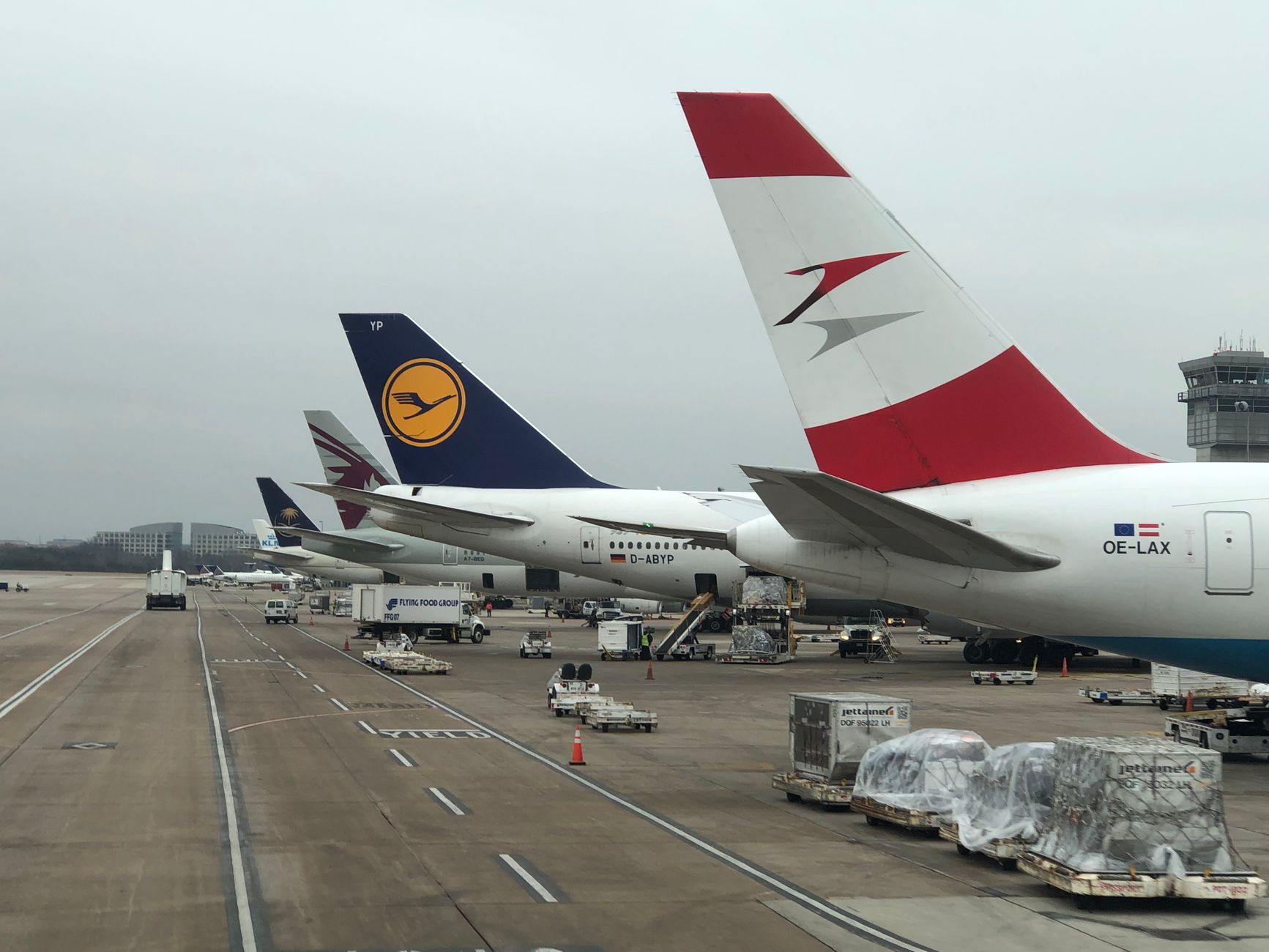
UK air travel has been thrown into turmoil yet again after a second technical glitch in the country’s air traffic control system caused widespread flight cancellations and delays. The latest incident, centered at the Prestwick control centre, has reignited fierce criticism of National Air Traffic Services (Nats), the organisation responsible for managing UK airspace, raising serious questions about the resilience and leadership of the nation’s air traffic infrastructure.
Recurring Failures Expose Fragility in UK Air Traffic Control
This recent disruption, which affected flights across Scotland, Northern Ireland, and northern England, is the second major problem in just two weeks. While the earlier incident at the Swanwick centre in Hampshire impacted southern UK airspace and long-haul routes, Monday’s fault at Prestwick — a hub managing nearly half of UK air traffic — compounded the chaos. More than 150 flights were cancelled, with EasyJet and British Airways among the worst hit.
Unlike the previous software defect that corrupted data in milliseconds, the Prestwick issue was described as a “connectivity problem.” Nats insists the two incidents are unrelated, but the back-to-back failures have intensified industry frustration and public concern. Airlines warn that such repeated breakdowns reveal systemic vulnerabilities in the UK’s air traffic management, undermining confidence in Nats’ ability to ensure safe and reliable operations.
Airlines Demand Accountability and Leadership Shake-Up
Industry leaders have not held back in their condemnation. Wizz Air UK’s managing director called the situation a “national confidence crisis,” demanding urgent reform and questioning the current leadership’s effectiveness. Ryanair and Jet2 joined in calls for Nats chief Martin Rolfe’s resignation, citing a failure to deliver a dependable system or adequate backup measures.
These demands highlight a growing impatience within the aviation sector. Airlines bear the brunt of operational disruption costs, including passenger refunds and accommodation, while also grappling with reputational damage. The cumulative financial and logistical burdens are prompting calls for a fundamental overhaul of how the UK’s air traffic control system is managed and funded.
Government Response: Investigations and Pressure Mount
Prime Minister Andy Burnham expressed “greater concern” following the second incident, emphasizing the seriousness of recurring failures. While he stopped short of calling for immediate leadership changes at Nats, Burnham stressed the need for a thorough investigation into why these faults keep happening. Transport Secretary Heidi Alexander echoed the frustration, acknowledging the disruption’s impact on passengers and promising that the issues are being taken “extremely seriously.”
The UK Civil Aviation Authority (CAA) has launched an independent review into the resilience of the air traffic control system, with findings expected within six months. However, for passengers caught in the chaos, this timeline offers little immediate comfort. The CAA also clarified that passengers affected by the technical faults are unlikely to receive compensation, as the incidents are classified as “extraordinary circumstances” beyond airline control.
Passengers Left in the Lurch as Travel Plans Collapse
The human cost of these failures is stark. Stories abound of families stranded, business travelers missing critical meetings, and holiday plans upended. At Birmingham airport, a couple was forced to disembark their EasyJet flight mid-journey. In Glasgow, a family learned of their Disneyland Paris flight cancellation only upon arrival. At Bristol, a business traveler endured a nine-hour wait during the first incident and now faces repeated disruption.
These personal accounts underscore the broader economic and social fallout of air traffic control instability. Beyond inconvenience, frequent cancellations and delays threaten the UK’s reputation as a reliable aviation hub, potentially deterring tourism and business investment.
What Lies Ahead for UK Air Traffic Control?
The repeated glitches highlight a pressing need for investment and modernization within the UK’s air traffic infrastructure. Experts warn that patchwork fixes and reactive management are insufficient to meet the demands of a busy, complex airspace. The aviation industry’s calls for “urgent and accountable” action suggest that without decisive reform, further disruptions are inevitable.
As Nats works to restore normal operations and the government probes underlying causes, the spotlight remains on leadership and strategic planning. The challenge is clear: to build a resilient, technologically robust air traffic control system that can safeguard the UK’s skies against future crises, protecting passengers, airlines, and the economy alike.
Recommended reading
For more context, see related Peack News coverage and explainers linked below.