
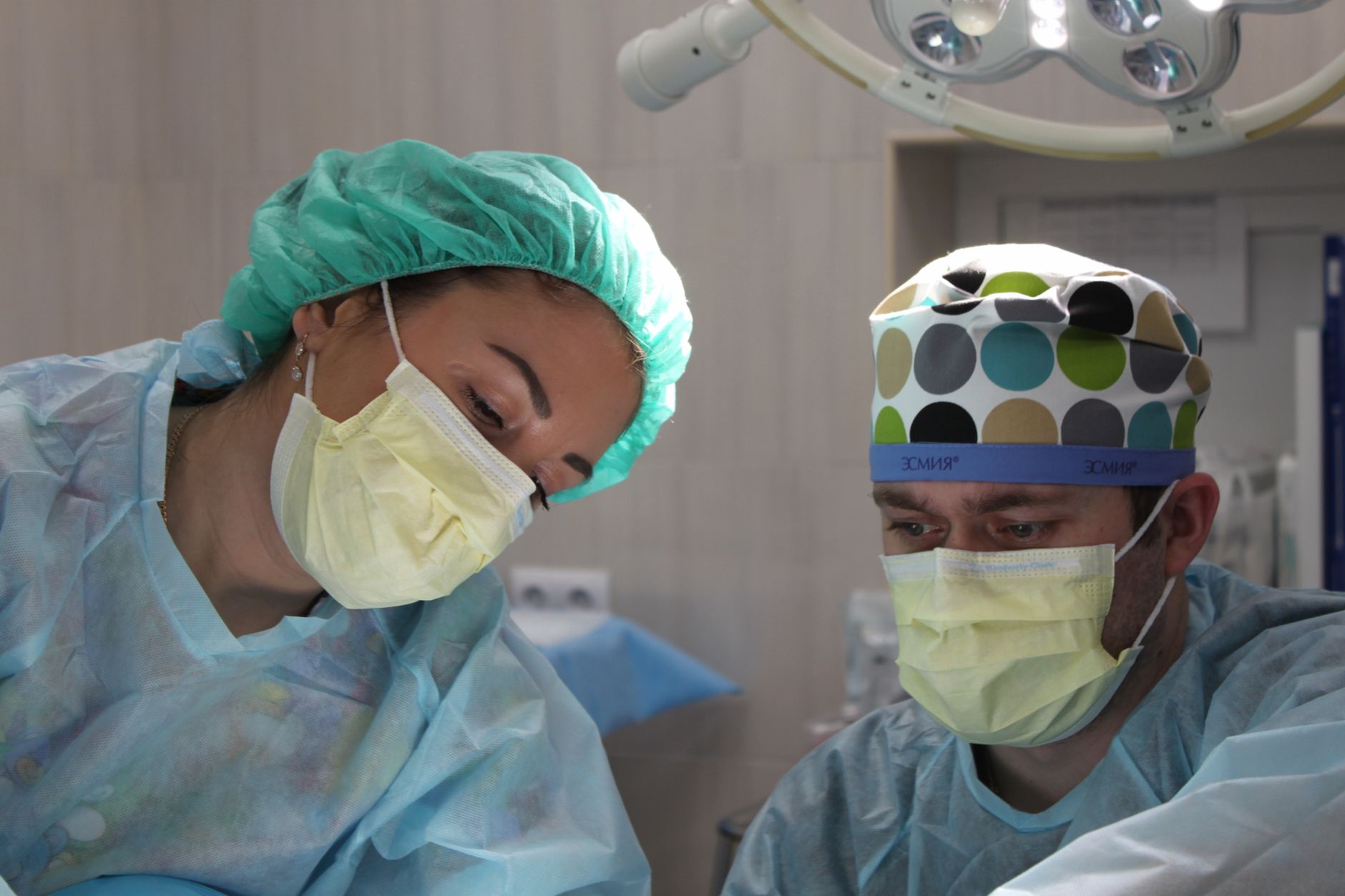
Amid the chaos of a brutal mass shooting in Krakow’s historic Main Market Square, a moment of calm and expertise from two surgeons dining nearby played a critical role in saving lives. As a gunman opened fire, killing six and wounding 15, these medical professionals sprang into action, providing urgent care to victims before emergency services arrived. Their swift intervention, particularly in stabilizing a gravely injured police officer, underscores the profound impact of immediate medical response during terror attacks.
How Surgeons Became First Responders in a Terror Attack
On a seemingly ordinary Saturday afternoon, Professor Michal Pędziwiatr and his colleague, Dr. Mateusz Wierdak, were enjoying lunch near Krakow’s bustling Main Market Square when gunfire shattered the peace. Without hesitation, the surgeons rushed toward the scene, confronting a surreal and terrifying situation where ambulances and professional responders were not yet present.
Pędziwiatr, head of General, Oncological, Metabolic and Emergency Surgery at the University Hospital in Krakow, described the instinctual decision to act: “What a surgeon can do in a situation like this?… We decided to help the victims as soon as possible.” Their immediate medical intervention included stemming the bleeding of a severely wounded police officer, a task that likely saved his life by buying crucial time until paramedics arrived.
Dr. Wierdak, recognized locally as a leading surgeon, provided critical first aid under extreme pressure. The presence of these two medical experts at the exact moment of crisis transformed them into frontline heroes, demonstrating how professional skills can be decisive even outside hospital walls.
The Officers’ Heroism and the Surgeons’ Role in Their Survival
The two police officers, Senior Constables Jakub Kulik and Artur Morański, had confronted the attacker, preventing a potentially greater bloodbath. Both were shot during the struggle, and their swift medical care was vital. After receiving emergency treatment from the surgeons, the officers were transported to hospital and have since emerged from comas, a testament to the life-saving intervention they received on the spot.
Poland’s Prime Minister praised the officers as “true heroes,” highlighting their courage and quick action. However, the surgeons’ role adds another layer to this narrative of bravery—showing that heroism in such moments can come from unexpected places. Their medical expertise, applied under duress, was a critical factor in the officers’ survival and the overall mitigation of the attack’s toll.
Context and Consequences of the Krakow Shooting
The attacker, a 24-year-old man clad in military-style gear and armed with a high-powered weapon, remains in critical condition. Authorities have linked his motives to far-right extremist ideologies, launching a terror investigation led by Poland’s National Public Prosecutor’s Office. The discovery of his family members’ bodies at his home adds a tragic and complex dimension to the case.
The attack lasted mere minutes but left deep scars on Krakow’s community and beyond. Among the dead were citizens from Poland, the UK, and Austria, underscoring the international impact of such violence in a popular tourist destination. Witnesses described scenes of panic and confusion, with some narrowly escaping by sprinting for safety or finding shelter in nearby buildings.
Additionally, six volunteers from Dublin Civil Defence, present in Krakow on a city break, provided crucial medical assistance, administering CPR and controlling bleeding. Their involvement highlights the importance of trained civilians in emergency response during mass casualty events.
Reflection on Preparedness and Civilian Response
The Krakow shooting exposes the unpredictable nature of terror attacks and the critical role that bystanders and professionals alike can play in saving lives. The actions of Professors Pędziwiatr and Wierdak exemplify how immediate, skilled intervention can bridge the gap until formal emergency services arrive.
Such incidents raise important questions about preparedness in public spaces, the availability of medical supplies, and training for civilians to respond effectively in crises. The presence of medical professionals in everyday settings can be a fortuitous factor, but broader strategies are needed to ensure rapid response capabilities city-wide.
The bravery of the police officers, surgeons, and volunteers collectively prevented even greater tragedy in Krakow. Their stories remind us that in moments of terror, human courage and expertise can shine brightest, offering hope amidst horror.
Recommended reading
For more context, see related Peack News coverage and explainers linked below.