
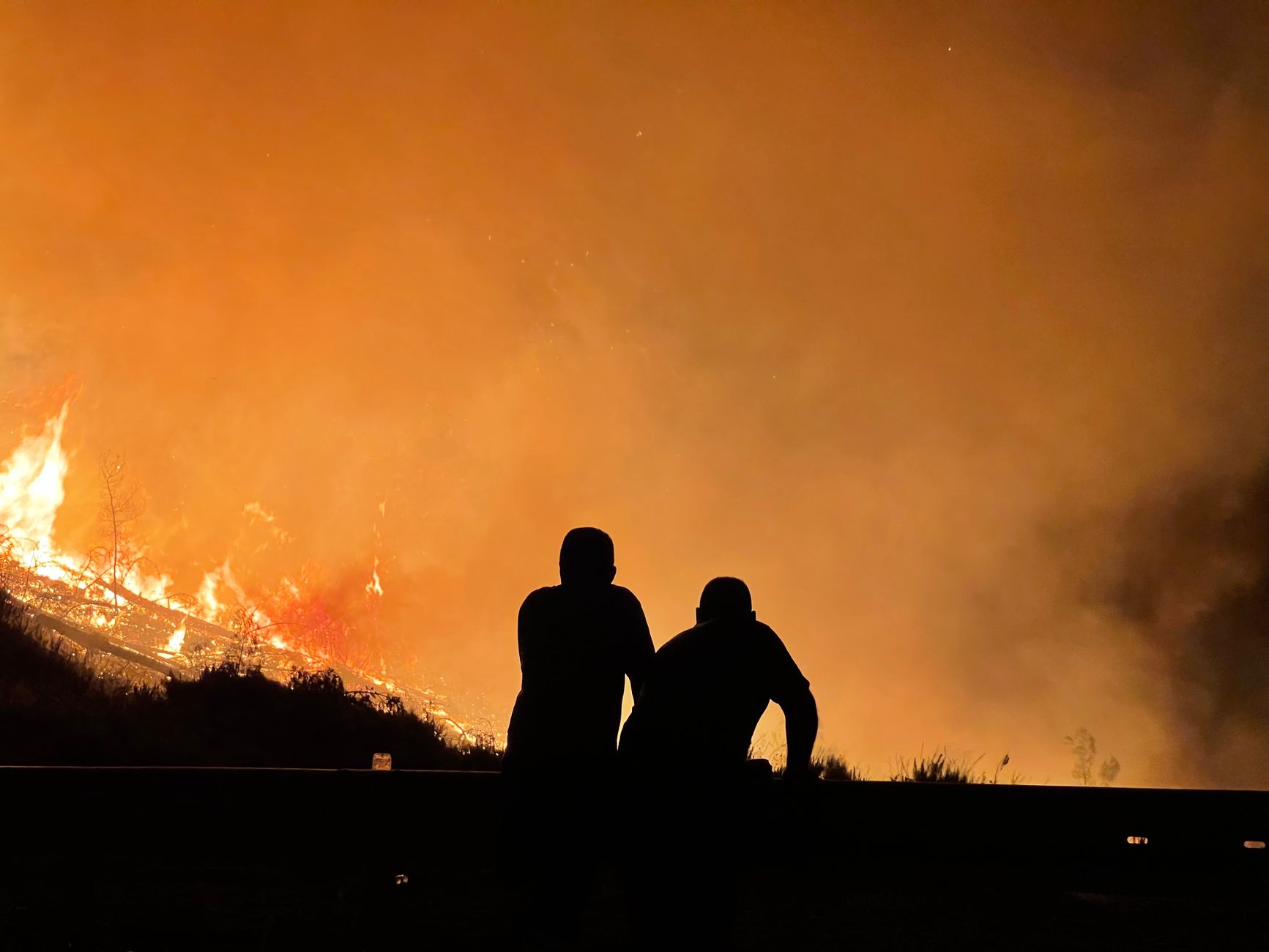
A devastating drone strike on a weapons depot near Kyiv has resulted in at least 37 deaths and forced the evacuation of nearly 400 residents, casting a harsh spotlight on Ukraine’s military logistics and civilian safety amid ongoing conflict. The explosion, which ignited stored shells, mines, and drones, not only caused tragic loss of life but also inflicted severe damage to homes and a care facility for vulnerable populations, raising urgent questions about the placement of military stockpiles adjacent to residential areas.
Deadly Consequences of Storing Ammunition Near Homes
The strike occurred late on a Friday evening in the Bucha district, west of Kyiv, where a depot storing munitions for Ukraine’s military was located perilously close to civilian housing. The blast’s force was so immense that it shattered windows, cracked walls, and compromised the structural integrity of over 130 homes, including a care home for the elderly and disabled. Local residents described the devastation as overwhelming, with one woman recounting how her home was left severely damaged and her emotional state shattered by the event.
President Volodymyr Zelensky condemned the decision to store explosives in such a location as “absolutely unacceptable,” promising a thorough investigation into what he termed “criminal negligence.” This incident follows a similar strike in July on a depot in Vyshneve, which killed nine people and damaged hundreds of homes, suggesting a troubling pattern of risk mismanagement.
Accountability and the Search for Answers
Ukraine’s prosecutor general has launched an inquiry into the legality of storing explosive materials near residential buildings, as well as the decisions made by officials responsible for this placement. Zelensky emphasized that regulations exist to prevent ammunition storage near civilian areas, and yet these rules appear to have been ignored or inadequately enforced. Prime Minister Sergiy Koretsky echoed this sentiment, lamenting the failure to learn from previous tragedies and warning that those responsible must face severe punishment.
The depot in Myla, the village affected by the strike, was reportedly operated by Ukraine’s armed forces. The repeated occurrence of such incidents raises critical questions about the operational pressures faced by Ukraine’s military and the challenges of safeguarding civilians while maintaining a robust defense amid relentless Russian attacks.
Broader Implications for Civilian Safety in Conflict Zones
The tragedy in Myla underscores a grim reality in many conflict zones: the proximity of military assets to civilian populations can have catastrophic consequences. Ukraine’s ongoing war with Russia has seen frequent aerial and drone strikes targeting military infrastructure, often resulting in collateral damage. This latest incident highlights the urgent need for improved military logistics planning that prioritizes civilian safety, especially in densely populated areas.
Local voices express frustration and heartbreak over the apparent disregard for civilian risk. One resident questioned why ammunition was stored “next to a populated village” and near places that once held food supplies, reflecting the deep sense of betrayal felt by communities caught in the crossfire of war.
Continued Russian Strikes and Escalation Risks
The Myla depot strike is part of a broader escalation in aerial attacks by both Russian and Ukrainian forces. In the 24 hours following the explosion, multiple strikes hit various parts of Ukraine, including Kyiv, Odesa, and Zaporizhzhia, resulting in further casualties and widespread damage. Ukrainian air defenses reportedly shot down over 230 Russian drones during this period, signaling the intensity of the ongoing conflict.
Meanwhile, Russia has also experienced retaliatory strikes on its territory, with casualties reported in Belgorod and Rostov regions. Both sides are increasingly targeting critical infrastructure and logistics centers, including commercial sites, which blurs the lines between military and civilian targets and raises the stakes for non-combatants.
Lessons for Military Strategy and Civilian Protection
The deadly strike on the Kyiv weapons depot not only reveals vulnerabilities in Ukraine’s defense infrastructure but also serves as a stark reminder of the human cost of war beyond the battlefield. Ensuring the safe storage of munitions away from civilian populations is a fundamental responsibility that appears to have been neglected, with tragic results.
As the conflict continues, balancing military necessity with civilian protection remains a complex challenge. The Ukrainian government’s commitment to investigating and holding accountable those responsible for this negligence is a critical step. However, preventing similar disasters will require systemic changes in military logistics, enhanced civil-military coordination, and perhaps international support to help safeguard vulnerable communities caught in the crossfire.
Ultimately, the Myla tragedy is a painful chapter in a war that has already exacted a heavy toll on Ukraine’s civilians. It calls for renewed focus on protecting human life amid the harsh realities of modern warfare.
Recommended reading
For more context, see related Peack News coverage and explainers linked below.