
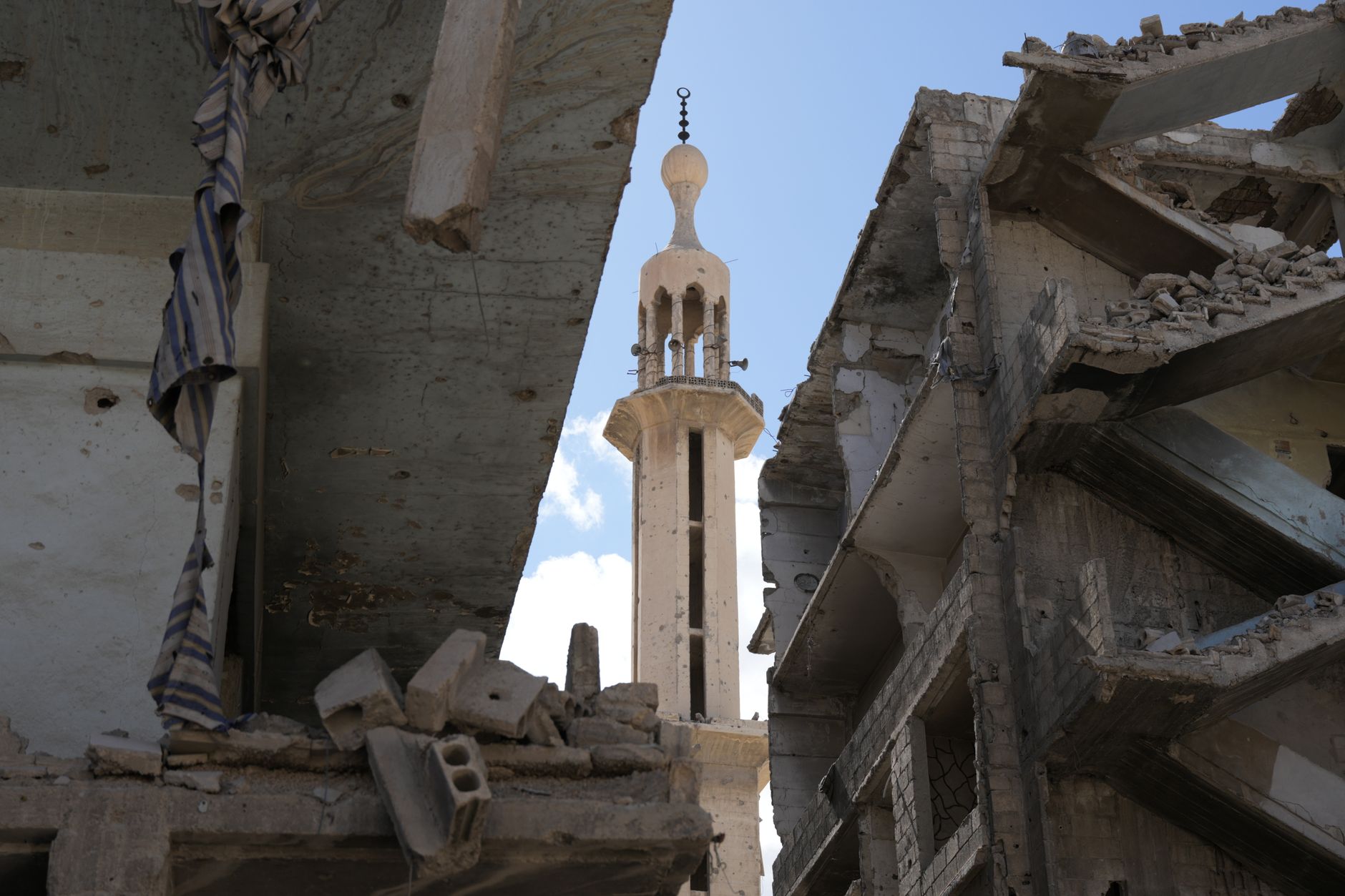
A bomb exploded in a busy café near the Palace of Justice in central Damascus on Thursday, killing six people and injuring 22 more, Syrian state media reported. The attack marks the deadliest bombing in the capital since a suicide blast at a church in June 2025, underscoring ongoing instability despite recent efforts to restore order after years of civil war.
Targeting a Symbolic Location Near Government Hubs
The café struck by the bomb lies in the Hejaz district, just 100 meters from the Palace of Justice, a key government building. This proximity suggests the attackers aimed to send a message by hitting a site close to state institutions. The interior ministry confirmed that the explosive device was planted inside the café, which was crowded at the time of the blast.
Residents and shopkeepers nearby described the moment of the explosion as terrifying. Mohammed al-Dahabi, who owns a glasses shop adjacent to the café, recounted feeling a powerful shockwave that shook the entire block. “I ran to the place and saw people lying on the floor with blood pooled around them everywhere,” he told AFP.
Echoes of the Civil War’s Darkest Days
Though the Syrian civil war officially ended in December 2024 with the overthrow of Bashar al-Assad’s regime, violence has persisted in Damascus and other parts of the country. The bombing is a grim reminder of the chaotic era that ravaged Syria for over a decade.
The last major bombing in Damascus was a suicide attack on a church in June 2025, which killed 25 people. That attack was claimed by the shadowy jihadist group Saraya Ansar al-Sunnah, although Syrian authorities blamed the Islamic State (IS) group. Neither group has claimed responsibility for Thursday’s café bombing so far.
These attacks reveal the fragile nature of security in the capital, where various factions and militant groups continue to operate in the shadows. The ongoing sectarian tensions among Syria’s diverse religious communities, including Alawites and Druze minorities, exacerbate the volatile environment.
Challenges Facing the New Syrian Leadership
Since assuming power, Interim President Ahmed al-Sharaa has struggled to unify the country and establish lasting peace. The bombing highlights the difficulties his administration faces in consolidating control over Damascus and beyond.
Damascus Governor Maher Marwan Idlibi visited the bombing site and vowed swift punishment for those responsible. “Each time the country sees a period of stability, malicious parties try to destabilise it,” he said, reflecting the ongoing battle between the government and insurgent groups determined to undermine the fragile peace.
Despite claims of restored stability, the capital remains vulnerable to sporadic violence, which threatens to derail reconstruction and reconciliation efforts. The attack also raises questions about the effectiveness of security measures around critical government facilities.
The Human Toll and Societal Impact
Beyond the immediate casualties, the bombing has deep psychological and social repercussions for Damascus residents. The city’s population, already traumatized by years of conflict, now faces renewed fear and uncertainty.
Graphic images circulating on social media showed the aftermath of the blast, with victims lying motionless on the café’s outdoor terrace, evoking memories of previous attacks that targeted civilians. Such violence fuels a climate of insecurity that hinders economic recovery and social cohesion.
Communities in Damascus, including minority groups, feel increasingly vulnerable. The persistent threat of attacks complicates efforts to rebuild trust between different factions and to create a unified national identity after years of sectarian strife.
What Lies Ahead for Damascus and Syria
The café bombing is a stark indication that Syria’s path to peace remains fraught with peril. While the civil war may have officially ended, the underlying issues—sectarian divisions, militant insurgencies, and political fragmentation—continue to challenge the government’s authority.
For the international community and Syrian citizens alike, the attack underscores the urgent need for comprehensive security reforms and inclusive political dialogue. Without addressing the root causes of violence and fostering reconciliation, Damascus risks slipping back into cycles of unrest.
As Syria’s leadership grapples with these complex challenges, the resilience of its people will be tested once more. The road to lasting peace will require not only military and security solutions but also a commitment to healing the deep social wounds left by years of conflict.
Recommended reading
For more context, see related Peack News coverage and explainers linked below.