
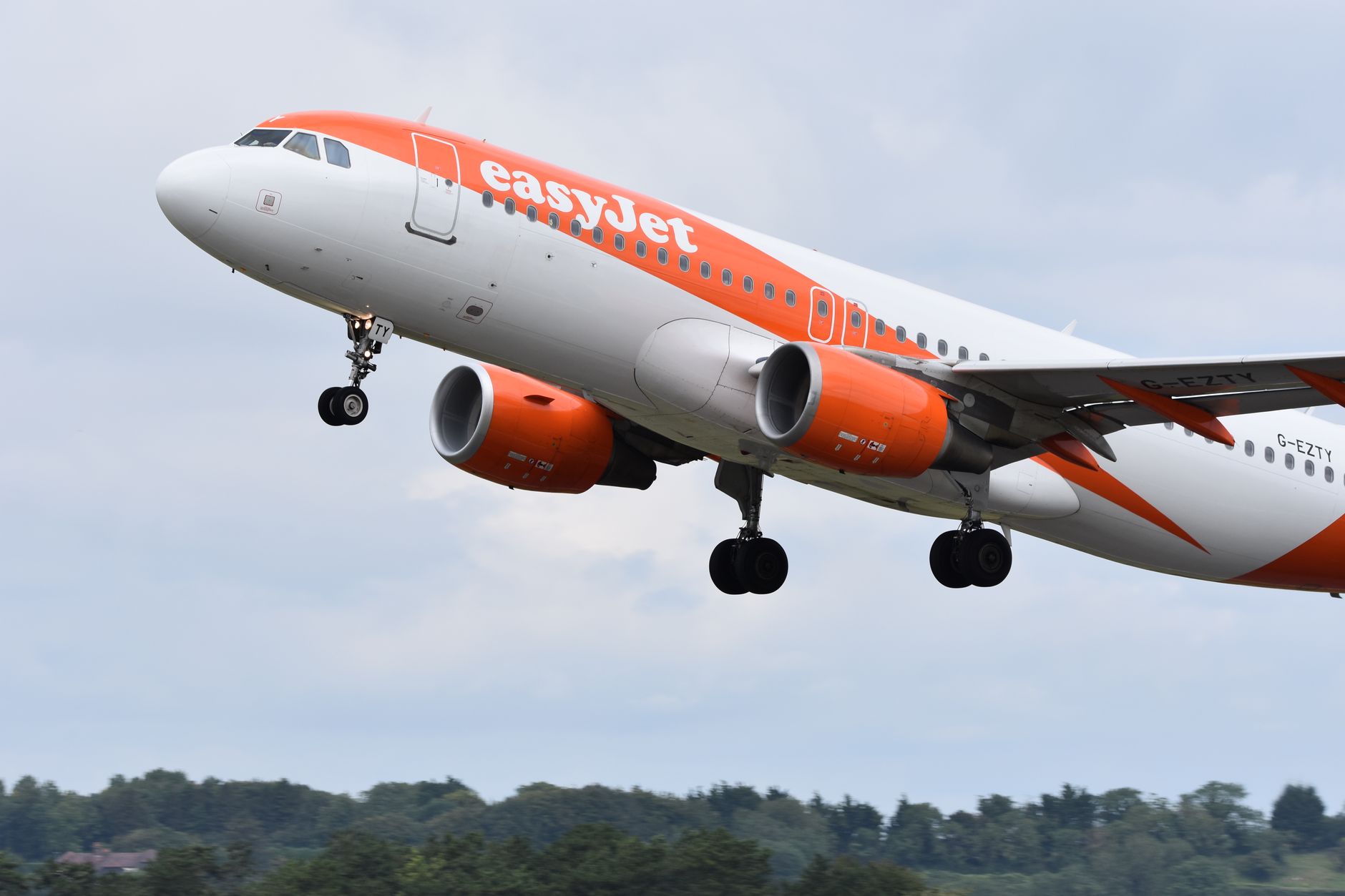
EasyJet, one of Europe’s largest and most recognizable budget airlines, has agreed to a £5.7 billion takeover by US private equity firm Apollo Global Management. This deal marks a significant shift in the ownership of a company that has been a staple of affordable air travel across Europe since its founding in 1995. The acquisition follows the withdrawal of a competing bid from another US investment firm, Castlelake, clearing the way for Apollo to secure control.
From Budget Pioneer to Private Equity Target
EasyJet’s journey began nearly three decades ago when Sir Stelios Haji-Ioannou launched the airline with a vision to democratize air travel across Europe. Starting with domestic UK routes, the airline quickly expanded to cover over 1,200 routes in 35 countries, becoming a household name for cost-conscious travelers. Employing more than 19,000 people, EasyJet has long been a symbol of accessible flying, competing fiercely with other low-cost carriers like Ryanair.
However, the airline industry’s volatility, exacerbated by the COVID-19 pandemic and geopolitical tensions such as the war in Ukraine, has put pressure on EasyJet’s valuation and strategic direction. The takeover by Apollo, a firm with a track record in diverse sectors including aviation, signals a new chapter focused on growth and operational acceleration under private ownership.
A Competitive Bidding War Ends with Apollo’s Victory
The acquisition came after a brief but intense bidding contest. Castlelake, another US-based investment group, initially pursued EasyJet aggressively, making several offers. Yet these were ultimately rebuffed by EasyJet’s board, which accused Castlelake of undervaluing the airline. Castlelake’s withdrawal cleared the path for Apollo’s higher bid, which offers shareholders £7.15 per share.
Sir Stelios Haji-Ioannou, who retains about 15% of EasyJet’s shares, publicly endorsed Apollo’s plan, emphasizing his family’s intention to remain invested. This backing from the airline’s founder adds a layer of continuity and confidence in the new ownership’s vision.
What Apollo’s Ownership Could Mean for EasyJet
Apollo has promised not to cut jobs for at least the first year following the acquisition, aiming to reassure employees and customers alike. The firm also highlighted its support for EasyJet’s existing strategy while expressing ambition to accelerate the airline’s operational and commercial goals. This suggests a focus on expanding route networks, improving customer experience, and possibly investing in new technologies or fleet upgrades.
However, Apollo’s takeover will likely lead to EasyJet delisting from the London Stock Exchange, transitioning it into a private company. This shift often results in some restructuring, particularly in roles tied to public company compliance and investor relations, though Apollo has indicated these job losses would be limited.
Regulatory Hurdles and European Ownership Requirements
The acquisition still faces regulatory scrutiny, especially from European Union authorities. EU rules mandate that airlines operating within its airspace must have majority EU-based ownership and control. Apollo plans to navigate this by ensuring that the Haji-Ioannou family and other EU shareholders hold roughly half of EasyJet’s ownership, maintaining compliance with these regulations.
This arrangement reflects the complexities of cross-border investments in strategic sectors like aviation, where national and regional interests intersect with global capital flows.
Implications for Investors and the Broader Market
While the £5.7 billion price tag represents a premium over EasyJet’s recent trading levels, financial analysts note it remains below the airline’s pre-pandemic valuation highs. The deal’s completion will remove EasyJet from public markets, reducing options for retail investors who have long viewed the airline as a familiar and accessible investment.
Industry observers also see this acquisition as part of a broader trend of private equity firms capitalizing on market dislocations caused by the pandemic. For EasyJet, private ownership could provide the flexibility to innovate and adapt without the pressures of quarterly earnings reports, but it also raises questions about long-term strategic priorities and the balance between growth and cost-cutting.
Looking Ahead: A New Era for EasyJet
As EasyJet prepares for its transition under Apollo’s stewardship, the airline faces a critical juncture. Balancing growth ambitions with operational stability will be key to maintaining its position in a highly competitive European market. Passengers can expect continuity in service in the near term, but the airline’s evolution over the coming years will be closely watched by industry insiders and travelers alike.
This acquisition highlights the ongoing reshaping of the aviation landscape, where legacy and low-cost carriers alike must navigate economic uncertainty, evolving consumer demands, and regulatory complexities. EasyJet’s next chapter under Apollo could well serve as a bellwether for how private equity involvement shapes the future of air travel in Europe.
Recommended reading
For more context, see related Peack News coverage and explainers linked below.