
The newly implemented free trade agreement (FTA) between India and the United Kingdom marks a significant milestone in the economic ties between two of the world’s largest economies. With tariffs slashed on a broad array of goods, this deal promises to reshape trade flows, affecting everything from the iconic towels used at Wimbledon to the beloved Scotch whisky enjoyed across India. But beyond the headlines, the deal’s success will hinge on how businesses navigate the complexities of new regulations and whether it can genuinely boost trade volumes and market shares in competitive sectors.
Wimbledon Towels and Textile Exports: A New Competitive Edge for India
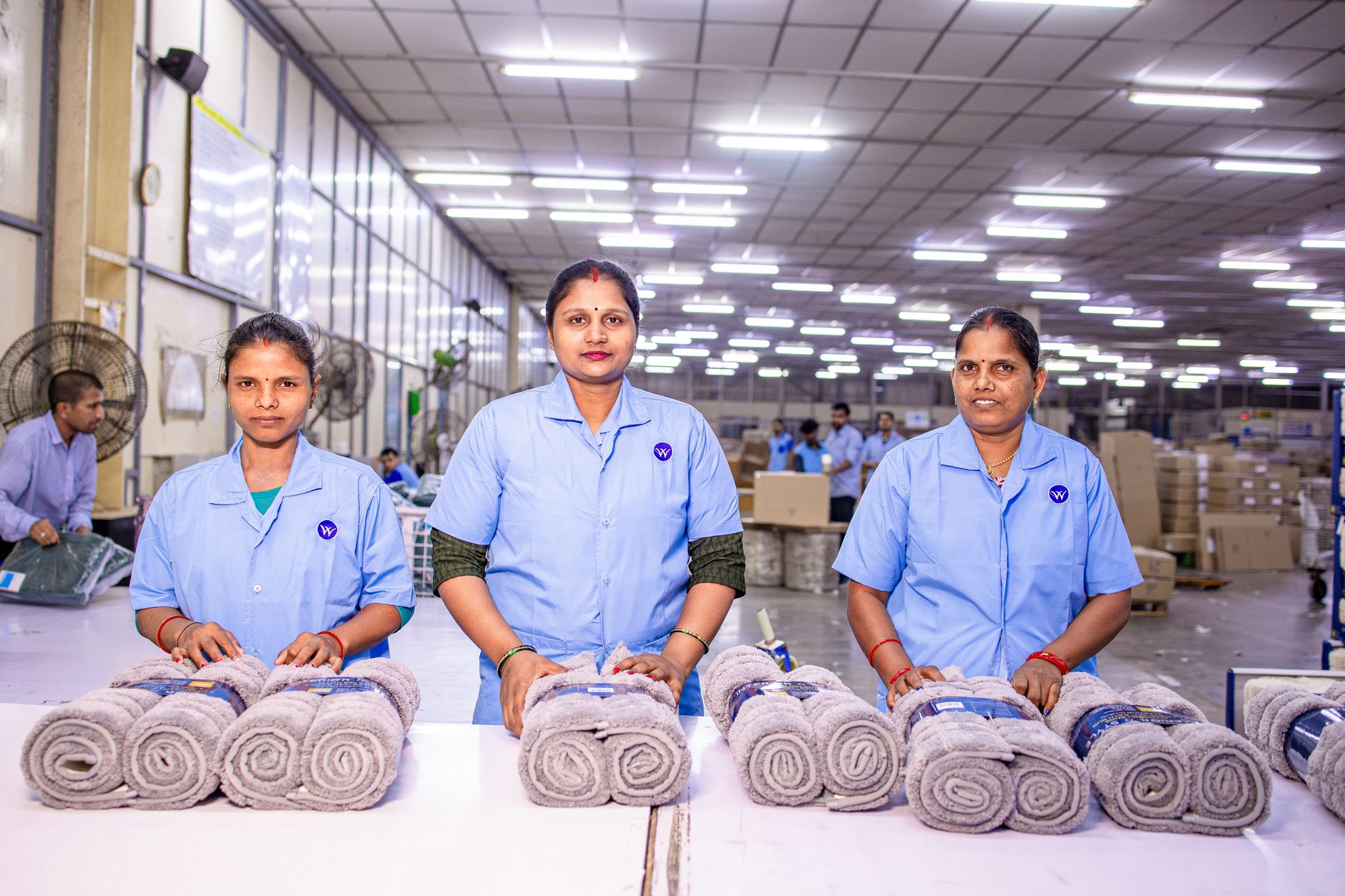
For years, Indian textile exporters faced stiff competition in the UK market from neighboring countries like Bangladesh and Pakistan, which benefited from duty-free access under the Developing Countries Trading Scheme. Indian home textile giants such as Welspun Living, which supplies championship towels for Wimbledon and major British retailers like John Lewis and Tesco, have been at a disadvantage due to tariffs as high as 12% on their products.
With the FTA now in effect, tariffs on 99% of Indian exports to the UK have been eliminated or reduced, allowing companies like Welspun to plan more strategically with their British clients and potentially expand their market share. Industry leaders anticipate double-digit growth in exports, aiming to close the gap where Pakistan currently dominates with a 55% share of UK home textile imports compared to India’s 6-7%.
This shift could mark a turning point for India’s garment and textile sectors, which employ millions and have been seeking greater access to Western markets. The deal’s timing is particularly advantageous as UK retailers look to diversify sourcing amid global supply chain uncertainties and rising labor costs in China.
Scotch Whisky’s Tariff Drop: A Boost for British Spirits in India
On the flip side, British exporters are eyeing significant gains in the Indian market, particularly in the lucrative alcohol and spirits sector. Scotch whisky, long a symbol of British heritage, faced prohibitive import duties of up to 150% in India. The new agreement cuts this tariff immediately to 75%, with a gradual reduction to 40% over the next decade.
While the full impact on import volumes remains to be seen, industry insiders are optimistic. Importers in India are currently focused on operational readiness—ensuring that certificates of origin, customs procedures, and logistics are aligned to maximize the benefits from day one. This groundwork is crucial because the actual expansion of British spirits’ market share will depend on how price-sensitive Indian consumers respond to the lower costs.
If successful, the deal could revitalize Scotch whisky’s presence in India, a market that has grown rapidly but remains constrained by high duties and complex regulations.
Challenges Beyond Tariffs: Non-Tariff Barriers and Compliance Hurdles
Despite the tariff reductions, experts caution that the FTA’s benefits may be more incremental than transformational in the short term. Non-tariff barriers, such as stringent rules of origin, customs documentation, and regulatory compliance, continue to pose significant challenges, especially for small and medium-sized enterprises (SMEs).
Historically, India’s utilization of FTAs has been low because many exporters are unaware of the new rules or lack the capacity to meet compliance requirements. For example, Indian garment manufacturers must proactively inform UK buyers about the tariff cuts and renegotiate contracts to reflect the new cost structures.
Moreover, the UK’s decision to maintain tariffs on steel imports beyond certain quotas and the introduction of a carbon border adjustment mechanism (CBAM) could dampen the deal’s overall impact. These measures may increase costs for Indian exporters in sectors covered by environmental levies, offsetting some tariff savings and creating new trade frictions.
Long-Term Prospects: Incremental Growth with Strategic Importance
Trade analysts suggest that the real test of the India-UK FTA will emerge over the next one to three years, as data on export volumes, order sizes, and profit margins become available. The deal’s success will depend largely on whether sectors like textiles, garments, footwear, cars, seafood, and fresh produce can capitalize on reduced tariffs to increase their competitiveness in the UK market.
For India, the agreement arrives at a pivotal moment. With China’s shrinking share in the UK’s ready-made garment imports and recent socio-political challenges in Bangladesh, Indian exporters have a window to double their market share from 6% to potentially 12% in the near to medium term. This could translate into sustained annual bilateral trade growth of around 15%, outpacing current trends.
Consumers on both sides stand to benefit from a wider selection of products and improved quality, while companies gain new opportunities to innovate and expand. However, realizing these gains will require concerted efforts from governments, industry associations, and businesses to address compliance issues and raise awareness about the new trade rules.
Conclusion: A Step Forward with Cautious Optimism
The India-UK free trade agreement is more than a symbolic gesture of post-Brexit trade diplomacy. It is a carefully calibrated pact with the potential to reshape key industries and deepen economic ties between two influential democracies. While the immediate effects on prices of Wimbledon towels or Scotch whisky may grab headlines, the broader story is about unlocking new growth avenues for Indian exporters and enhancing consumer choice in the UK.
Yet, the path ahead is not without obstacles. Non-tariff barriers, carbon taxes, and the need for greater awareness and compliance could temper the pace of change. The coming years will reveal whether this landmark deal can truly deliver on its promise or remains a cautious step towards deeper integration.
Recommended reading
For more context, see related Peack News coverage and explainers linked below.