
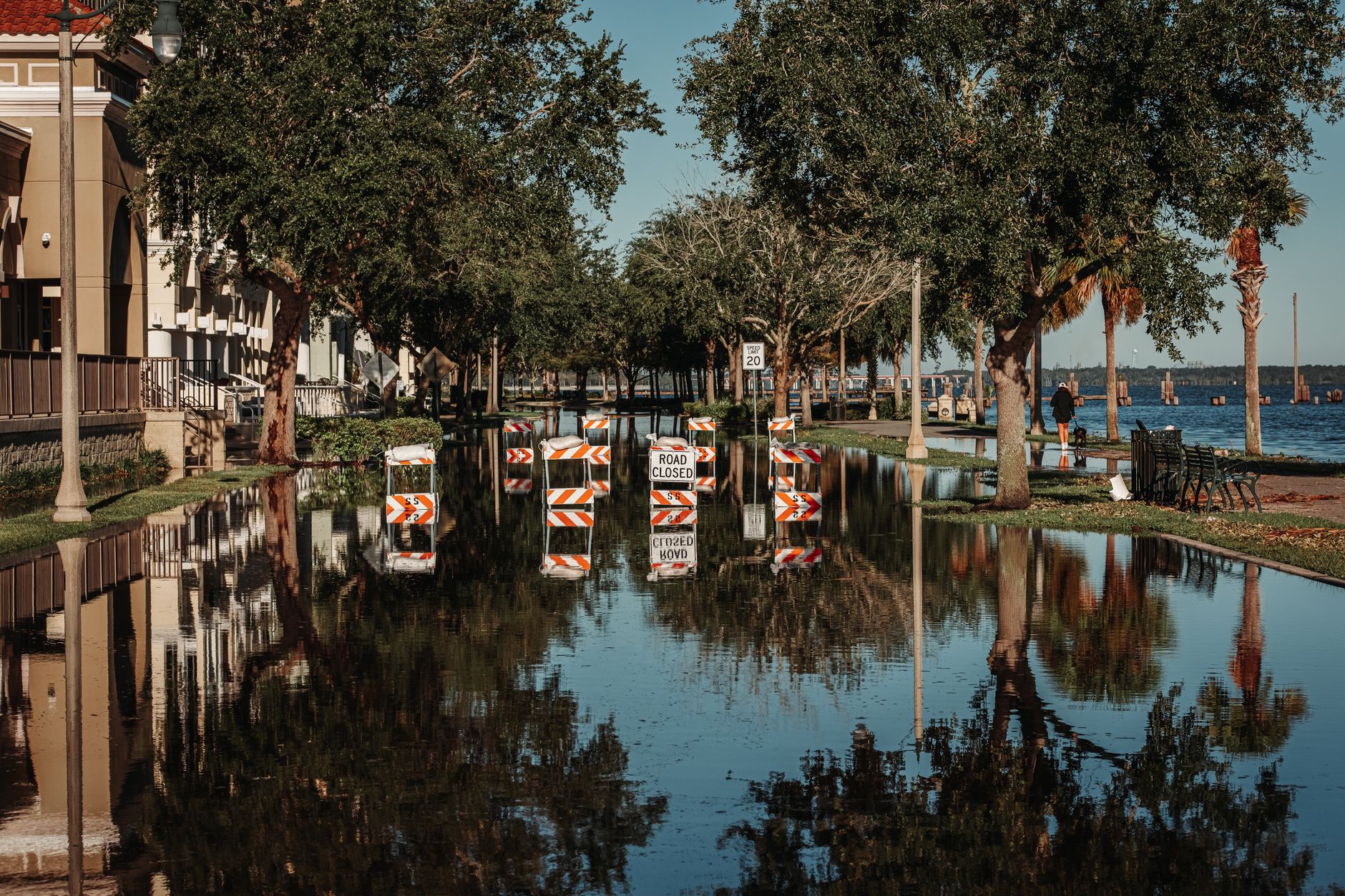
As climate change accelerates, the insurance industry is raising alarms about the future insurability of new homes in England. Amanda Blanc, CEO of Aviva, one of the UK’s largest insurers, has warned that tens of thousands of new homes are being constructed in flood-prone areas, potentially creating a wave of properties that could become uninsurable as flood risks intensify. This situation poses a significant challenge not only for homeowners but also for the wider housing market and financial stability.
Building in Flood Zones: A Growing Risk
According to Aviva’s analysis, approximately 115,000 new homes are expected to be built in flood zones over the next decade in England. This is despite clear knowledge of where flood-prone areas lie, and amid mounting evidence that flooding risks are increasing due to climate change. The Environment Agency estimates that around 6.3 million homes and businesses in England are currently at risk of flooding, highlighting the scale of the problem.
Blanc emphasized that continuing to build homes in these vulnerable locations “doesn’t make sense,” given the escalating threat from extreme weather events. The Met Office has noted that severe wet winters, which used to be once-in-80-year occurrences, are now expected roughly every 20 years under current global warming trajectories. This means that the likelihood of flooding is rising sharply, making flood risk a more immediate and persistent threat for many communities.
Implications for the Insurance Market and Homeowners
The prospect of homes becoming uninsurable has profound implications. Insurance is a critical safeguard for homeowners, lenders, and the broader housing market. If insurers withdraw coverage or impose prohibitively high premiums on properties in flood-prone areas, it could depress property values and restrict access to mortgages. This would disproportionately affect new homeowners, many of whom may find themselves with assets that are difficult to sell or finance.
Aviva’s research reveals that one in nine homes built between 2022 and 2024 face medium to high flood risk, while nearly a third of homes built in 2024 could be vulnerable to flooding by 2050. Blanc also noted that construction near flood zones requires a different approach, including flood-resilient building techniques and infrastructure improvements to mitigate damage. However, these adaptations can only go so far if homes are sited in inherently risky locations.
The Need for Strategic Policy and Infrastructure Investment
Blanc’s comments come at a time when the UK government is preparing its Budget, with Chancellor John Healey expected to unveil measures aimed at boosting housing and industrial growth. Yet, the insurance industry and environmental experts argue that a more strategic approach is essential to avoid locking in future risks.
Aviva itself is positioning as a significant investor in UK infrastructure, with £35 billion currently allocated to projects including hospitals, schools, and renewable energy. Blanc expressed readiness to support infrastructure investments that could enhance resilience to flooding, but stressed that clear government policies and frameworks are necessary to translate capital into effective flood defenses and sustainable urban planning.
Without coordinated action, the cycle of building in high-risk areas followed by costly flood damage and insurance withdrawals could repeat, undermining efforts to create a sustainable and secure housing market.
Broader Economic and Social Consequences
The risk of uninsurable homes also intersects with wider economic concerns. Blanc highlighted the delicate balance between public and private pension provision, noting that changes to state pensions could increase reliance on private savings. The stability of the housing market is integral to personal wealth and financial planning for many families.
Moreover, communities facing repeated flooding suffer not only financial losses but also social disruption and mental health challenges. The prospect of homes becoming uninsurable could exacerbate inequality, as lower-income households are often concentrated in more vulnerable areas with fewer resources to adapt or relocate.
Ultimately, Blanc’s warning signals an urgent need for policymakers, builders, insurers, and communities to rethink how and where homes are constructed. Protecting future generations from the escalating costs and risks of flooding will require a shift towards smarter land use, stronger infrastructure, and comprehensive flood risk management.
Recommended reading
For more context, see related Peack News coverage and explainers linked below.