
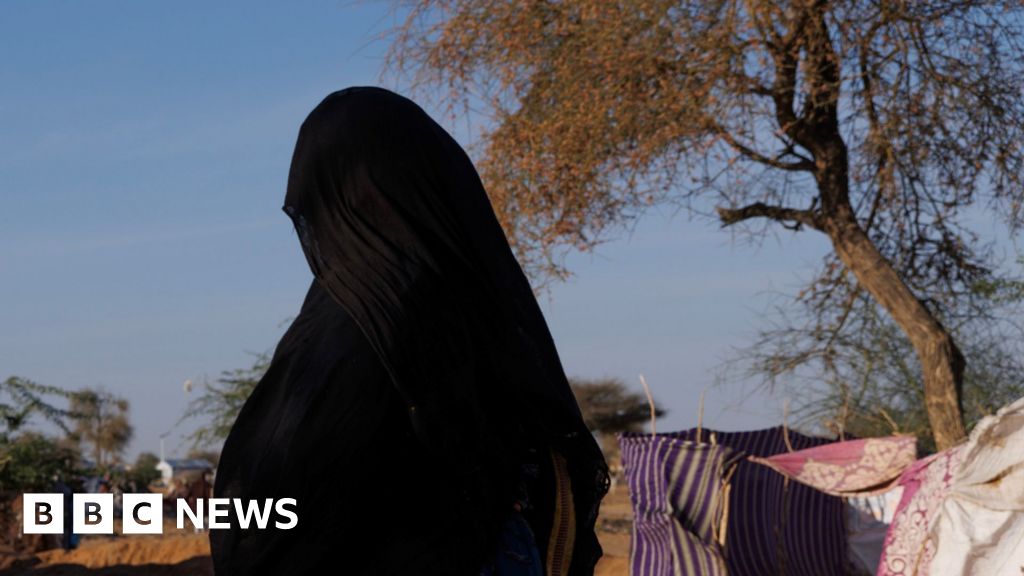
The revelation that staff members of Doctors Without Borders (MSF) exploited Sudanese refugees in a sex-for-food scandal has sent shockwaves through the humanitarian community. At least 59 refugees, including young girls, were subjected to sexual abuse by aid workers in eastern Chad, where they had sought refuge from Sudan’s brutal civil war. This betrayal of trust not only compounds the trauma suffered by those fleeing conflict but also exposes deep flaws in how humanitarian organizations protect vulnerable populations.
Why this matters
Humanitarian aid is predicated on principles of neutrality, dignity, and protection. When those charged with delivering life-saving assistance exploit the very people they are meant to help, it undermines the entire system. Refugees and displaced persons are among the most vulnerable groups globally, often dependent on aid for survival. The MSF scandal highlights how power imbalances and inadequate oversight can foster environments where abuse thrives unchecked.
Moreover, the fact that many victims remained silent out of fear that aid would be withheld speaks to systemic failures within humanitarian organizations to provide safe reporting mechanisms and enforce accountability. This scandal not only impacts the immediate victims but also erodes trust in aid agencies, potentially hindering future relief efforts in crises worldwide.
The context of conflict and displacement
Sudan’s civil war, now entering its third year, has created one of the most severe humanitarian emergencies of the 21st century. The conflict between the Sudanese army and the Rapid Support Forces (RSF) has displaced over 11 million people and left 28 million facing acute hunger. The death toll, estimated between 150,000 and 400,000, reflects the scale of violence and suffering.
Sexual violence has been weaponized in this conflict, with reports of systematic attacks on men, women, and children, including infants. Refugees fleeing such atrocities arrive in camps and settlements already traumatized, relying on humanitarian aid for food, shelter, and medical care. The exploitation by MSF staff compounds their vulnerability, turning supposed safe havens into sites of further abuse.
Failures in oversight and accountability
MSF has acknowledged that 18 staff members were dismissed over the abuse allegations, but the organization admits it could not identify all perpetrators. An internal report suggested patterns of exploitation that might amount to sexual trafficking, indicating the problem was widespread and systemic rather than isolated incidents.
Victims who reported abuse often encountered silence or inadequate responses. The official complaints procedures were described as mostly ineffective, leaving survivors without recourse or protection. This failure to act decisively on allegations reflects a broader issue within humanitarian agencies, where safeguarding policies are sometimes overshadowed by operational pressures or institutional inertia.
Such shortcomings reveal the urgent need for reform. Humanitarian organizations must implement robust, survivor-centered reporting systems and ensure independent investigations free from conflicts of interest. Transparency and accountability are critical to restoring trust and preventing future abuses.
Broader implications for the humanitarian sector
This scandal is not an isolated case but part of a troubling pattern of sexual exploitation and abuse by aid workers globally. Despite repeated promises to eradicate such misconduct, reports have surfaced from multiple countries and organizations in recent years. The power dynamics inherent in aid delivery—where beneficiaries depend on providers for essential resources—create vulnerabilities that can be exploited.
Addressing this issue requires a fundamental shift in how humanitarian aid is managed. Agencies must prioritize safeguarding as much as service delivery, invest in training and cultural change, and engage communities in monitoring and feedback mechanisms. Donors and governments also have a role in demanding higher standards and supporting independent oversight.
Restoring dignity and trust in humanitarian aid
For refugees escaping war and persecution, humanitarian aid offers hope and survival. When that aid becomes a vehicle for abuse, it not only harms individuals but also undermines the ethical foundation of humanitarianism. MSF’s admission and response to the scandal are important first steps, but they must be followed by concrete actions to ensure justice for survivors and systemic change.
The international community must view this scandal as a call to action. Protecting vulnerable populations from exploitation is as crucial as meeting their basic needs. Only by confronting uncomfortable truths and implementing rigorous safeguards can humanitarian organizations fulfill their promises and restore faith among those they serve.