
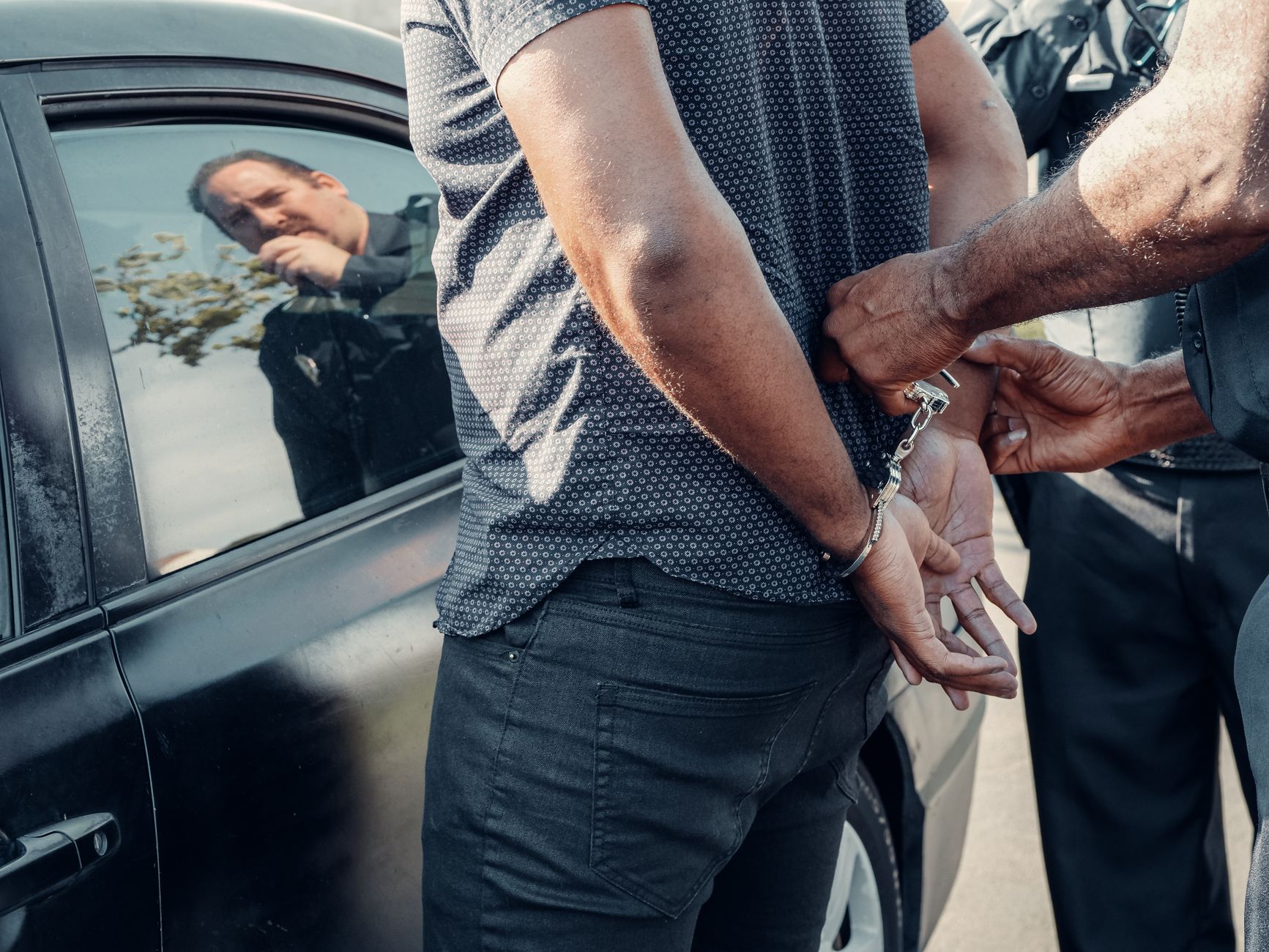
Nearly 1,000 people were arrested across France following another day of mass protests that saw hundreds of thousands take to the streets to express frustration over the rising cost of living and deteriorating social conditions. While authorities managed to prevent the widespread rioting and looting that marred last weekend’s demonstrations, clashes with police erupted late in the day in several major cities, underscoring the deep social tensions simmering across the country ahead of the presidential elections.
Massive Turnout Reflects Growing Public Discontent
Saturday’s protests drew an estimated 410,000 participants according to the Interior Ministry, with unions suggesting the number could be closer to 800,000. The sheer scale of the demonstrations highlights the widespread dissatisfaction with the government’s handling of economic hardships, particularly among younger generations and working-class communities.
Many protesters voiced a sense of abandonment and frustration, blaming President Emmanuel Macron’s administration for increasing taxes and failing to address the rising cost of essentials. A 26-year-old Parisian protester summarized the mood succinctly: people feel “suffering a lot” and believe their voices have been ignored for too long.
Authorities Brace for Potential Escalation Amid Tactical Policing
In response to last weekend’s violent outbreaks, which saw over 2,500 arrests and extensive property damage, French authorities deployed an unprecedented 70,000 police officers nationwide. The government imposed restrictions on demonstrations, permitting only those organized by recognized trade unions to legally proceed.
Despite these measures, clashes broke out in Paris, Marseille, Bordeaux, and Lyon as groups of radical activists and masked youths confronted riot police. Police used tear gas and water cannons to disperse crowds, while protesters erected burning barricades and smashed windows in some areas. Interior Minister Laurent Nuñez reported that around 500 individuals identified as rioters were present at the tail end of the Paris march.
The Lingering Impact of Last Weekend’s Unrest
The previous weekend’s chaos remains fresh in public memory, with violent scenes involving looting, arson, and destruction affecting more than 2,000 businesses across multiple cities. The economic toll has been estimated in the hundreds of millions of euros, compounding the grievances of small business owners already struggling with inflation and disrupted supply chains.
One particularly harrowing incident involved a protester losing a hand due to a police crowd-control grenade, while around 1,000 officers sustained injuries during the confrontations. The severity of the clashes forced authorities to impose curfews in Paris and other urban centers, a rare measure in recent French history.
Protests as a Barometer for France’s Political Future
With France’s presidential elections just six months away, the protests have become a focal point for political debate. Leading candidates have seized on the unrest to criticize Macron’s policies, framing the demonstrations as a symptom of broader systemic failures. The government’s hardline response, including fast-track court hearings and mass arrests, has further polarized public opinion.
Meanwhile, counter-demonstrations also took place, such as a peaceful rally of 13,000 people in Orléans opposing the far-right National Rally party, indicating a nation grappling with deep ideological divides.
Wider European Unrest Reflects Shared Economic Struggles
France’s turmoil is not isolated. Across Europe, cities like Tirana, Brussels, and Milan witnessed protests fueled by similar grievances over economic hardship and government policies. Security forces in these capitals faced their own challenges in managing large crowds, with some clashes reported and preventive measures deployed to avoid escalation.
This wave of unrest across multiple countries signals a broader continental crisis of confidence in political leadership amid inflation, energy price shocks, and social inequality.
What Lies Ahead for France?
The recent protests underscore a critical juncture for France. The government’s ability to balance firm law enforcement with meaningful dialogue will be tested as economic pressures persist. For many demonstrators, the protests are not just about immediate grievances but a call for fundamental change in a society where inequality and disillusionment have deepened.
As the presidential election approaches, the unrest may reshape political narratives and influence voter priorities. Whether President Macron’s administration can regain public trust or whether opposition forces capitalize on the unrest remains an open question, but the message from the streets is clear: a significant portion of the French population demands urgent and tangible reforms.
Recommended reading
For more context, see related Peack News coverage and explainers linked below.