
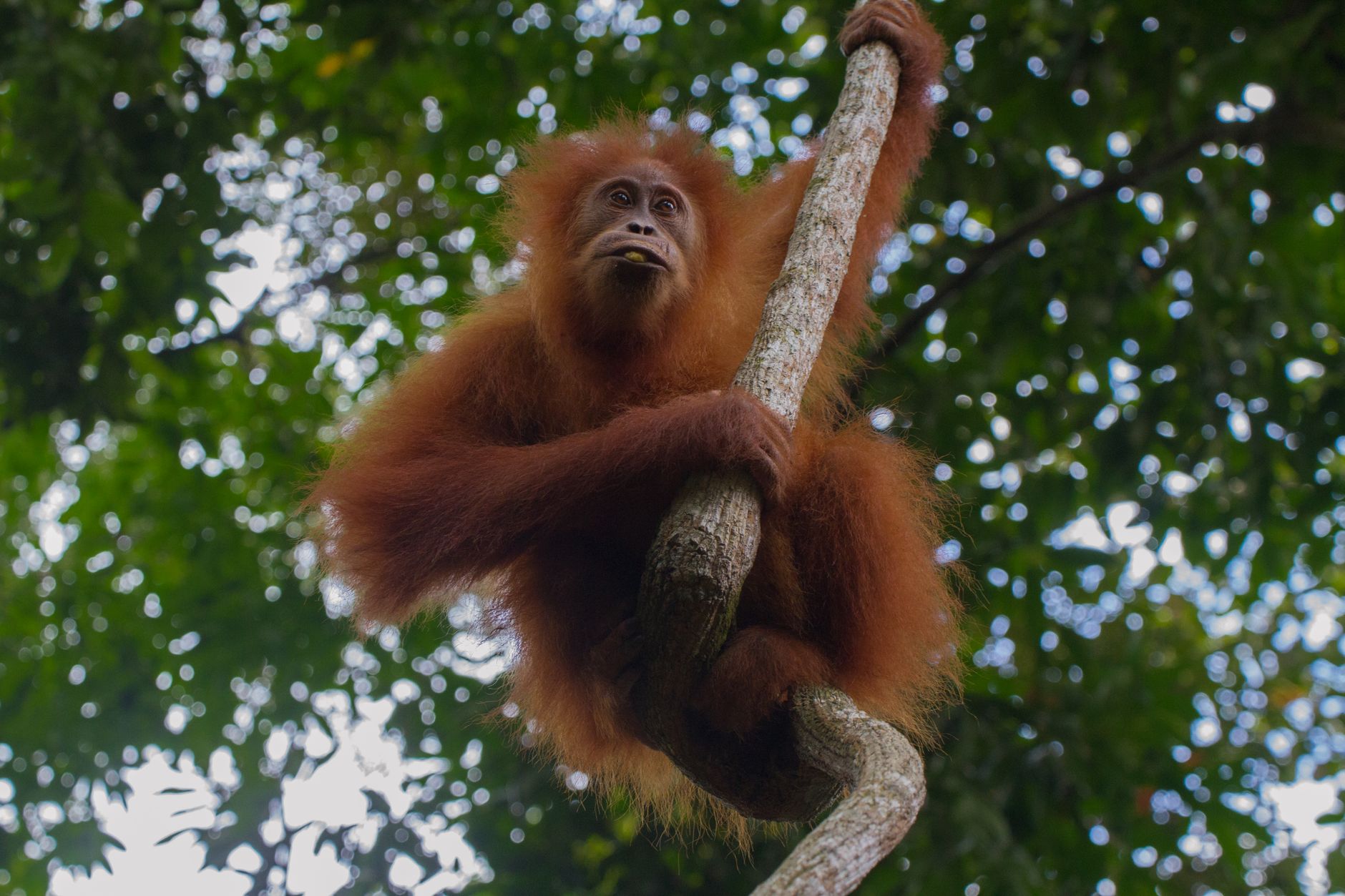
Eight critically endangered orangutans have been successfully returned to a protected forest reserve in Borneo after being rescued from devastating wildfires that ravaged their natural habitats this summer. The release marks a hopeful milestone in the ongoing struggle to preserve one of the world’s most iconic primates amidst escalating environmental threats exacerbated by climate change and human activity.
Wildfires Ravage Orangutan Habitats Across Borneo
Indonesia’s dry season regularly brings wildfires, but this year’s blazes were unusually severe, fueled by the strongest recorded El Niño phenomenon. The resulting drought and volatile weather conditions intensified fires across vast swaths of Borneo’s forests, critically endangering the orangutans that depend on these habitats for survival. According to the International Union for Conservation of Nature (IUCN), more than half of Borneo’s orangutan population—estimated at around 104,000 individuals across Borneo and Sumatra—live in areas now threatened by these fires.
These fires not only destroy the trees and plants that orangutans rely on for food and shelter but also fragment their habitats, isolating populations and making it difficult for them to find safe corridors for movement. The degradation of these forests has been compounded by human-driven land-clearing practices, particularly for oil palm plantations, which replace dense, fire-resistant forest with more flammable vegetation, accelerating the spread of wildfires.
Rescue and Rehabilitation: A Race Against Time
In response to the emergency, Indonesian authorities and conservation groups such as International Animal Rescue Indonesia (Yiari) undertook urgent efforts to locate and rescue orangutans trapped by the fires. Over the summer months, 46 orangutans were extracted from perilous conditions, including mothers and their offspring found stranded in plantations or isolated forest patches surrounded by burned land.
The eight orangutans released recently included three mothers with their daughters and two adult males. Many had been surviving in precarious environments like coconut and rubber plantations, where access to natural food sources was severely limited. For example, Mama Nopi and her three offspring were rescued after their forest home was incinerated, forcing them into human-dominated landscapes. Similarly, Mama Lifa and her child were found in a small acacia grove encircled by oil palm plantations, making their survival untenable without intervention.
Strategic Release into Connected Forest Reserves
The choice of release site was critical to ensuring the orangutans’ long-term survival. The reserve in western Borneo where the apes were freed offers abundant food, clean water, and importantly, connectivity to larger forested areas. This connectivity is vital for the orangutans to roam, forage, and eventually reintegrate into wild populations.
Yiari’s team emphasized that relocation is not simply a matter of moving animals from one place to another but ensuring they have a viable habitat where they can thrive naturally. The reserve’s landscape provides a safer environment than the fragmented and fire-damaged forests the orangutans previously inhabited.
Broader Implications for Conservation and Climate Resilience
The plight of Borneo’s orangutans highlights the complex interplay between climate change, land use, and wildlife conservation. The intensification of El Niño events leads to drier conditions and more frequent fires, which, combined with deforestation for agriculture, create a vicious cycle of habitat loss and increased fire risk.
Conservationists warn that if current trends continue, large portions of orangutan habitat could become inhospitable within decades, pushing the species closer to extinction. The loss of orangutans would not only be a tragic loss of biodiversity but would also disrupt the ecological balance of Southeast Asian rainforests, where orangutans play a key role in seed dispersal and forest regeneration.
Efforts to protect orangutans must therefore address both immediate threats, like wildfire rescue and habitat restoration, and long-term challenges, including climate mitigation and sustainable land management. Policies that limit forest clearing for plantations and promote fire prevention are crucial to reducing future risks.
Hope Amidst Crisis: The Road Ahead
The successful release of these orangutans back into the wild is a testament to the dedication of rescue teams and conservationists working under difficult conditions. It also serves as a reminder of the resilience of nature when given a chance. However, the scale of the threat remains immense, and ongoing support for habitat protection and climate adaptation strategies will be essential to secure a future for Borneo’s orangutans.
As the region braces for continued climate volatility, the international community’s engagement in supporting Indonesia’s conservation efforts could make the difference between survival and extinction for these remarkable apes.
Recommended reading
For more context, see related Peack News coverage and explainers linked below.