
The recent wave of student suicides in India has cast a harsh spotlight on the country’s education system, exposing deep flaws that many families say contributed directly to their children’s tragic deaths. The mounting pressure from repeated exam postponements, leaked question papers, and the resulting resits has created a toxic environment for millions of students aspiring to secure a future through competitive exams. The resignation of the Indian education minister in late July, following nationwide protests, marked a rare political acknowledgment of the crisis, but for grieving families, the damage feels irreparable.
Exam Leaks and Resits: A Catalyst for Tragedy
India’s education system is notoriously competitive, with entrance exams like the National Eligibility cum Entrance Test (Neet) and the Joint Entrance Examination (Jee) determining access to coveted professional courses such as medicine and engineering. The stakes are immense, and any disruption can have devastating consequences.
In 2024 alone, the number of student suicides surged to nearly 14,500, an 80% increase from 2014, according to the National Crime Records Bureau. After family issues, failure in examinations is the leading cause of these suicides.
Repeated exam paper leaks have forced cancellations and rescheduling, upending students’ preparation and mental stability. For many, like Anshika Pandey, a determined medical aspirant from a low-income family in Delhi, the news of a resit shattered months of hard work and hope. Anshika had already attempted the Neet exam twice before and was preparing for her third try when the leak was announced. Despite her calm exterior, the pressure was unbearable, culminating in her suicide shortly after the cancellation.
Families Bear the Emotional and Financial Burden
The impact of these tragedies extends beyond emotional devastation. Families often invest their limited resources into coaching and tutoring, hoping to secure their children’s futures. Pradeep Mahich’s family from Rajasthan exemplifies this sacrifice. His father sold a large portion of farmland and took out a significant loan to fund his son’s repeated attempts at Neet. Pradeep’s confidence following his fourth attempt was crushed by the announcement of another resit, leading to his death.
Such stories highlight not only the psychological toll on students but also the economic strain on families, many of whom belong to rural or marginalized communities. The cycle of debt and despair is exacerbated by the high costs of private coaching centers, which have become a prerequisite for success in these exams.
The Role of Centralised Exams in a Diverse Education Landscape
The controversy surrounding the imposition of centralised exams like Neet on all states has added another layer of complexity. Tamil Nadu, with its distinct education system, has long opposed Neet, arguing that it disrupts the federal structure and disadvantages students from the state syllabus. The tragic case of S Anitha, a Dalit student from Tamil Nadu who scored top marks in her state exams but failed Neet, underscores the systemic inequities.
Her suicide in 2017 sparked widespread protests and debates about the fairness of a uniform national exam. Her brother’s ongoing activism, including running a free education center, reflects a broader demand for decentralisation and more inclusive policies that accommodate regional differences and reduce dependency on expensive coaching.
Protests and Political Fallout: A Step Toward Reform?
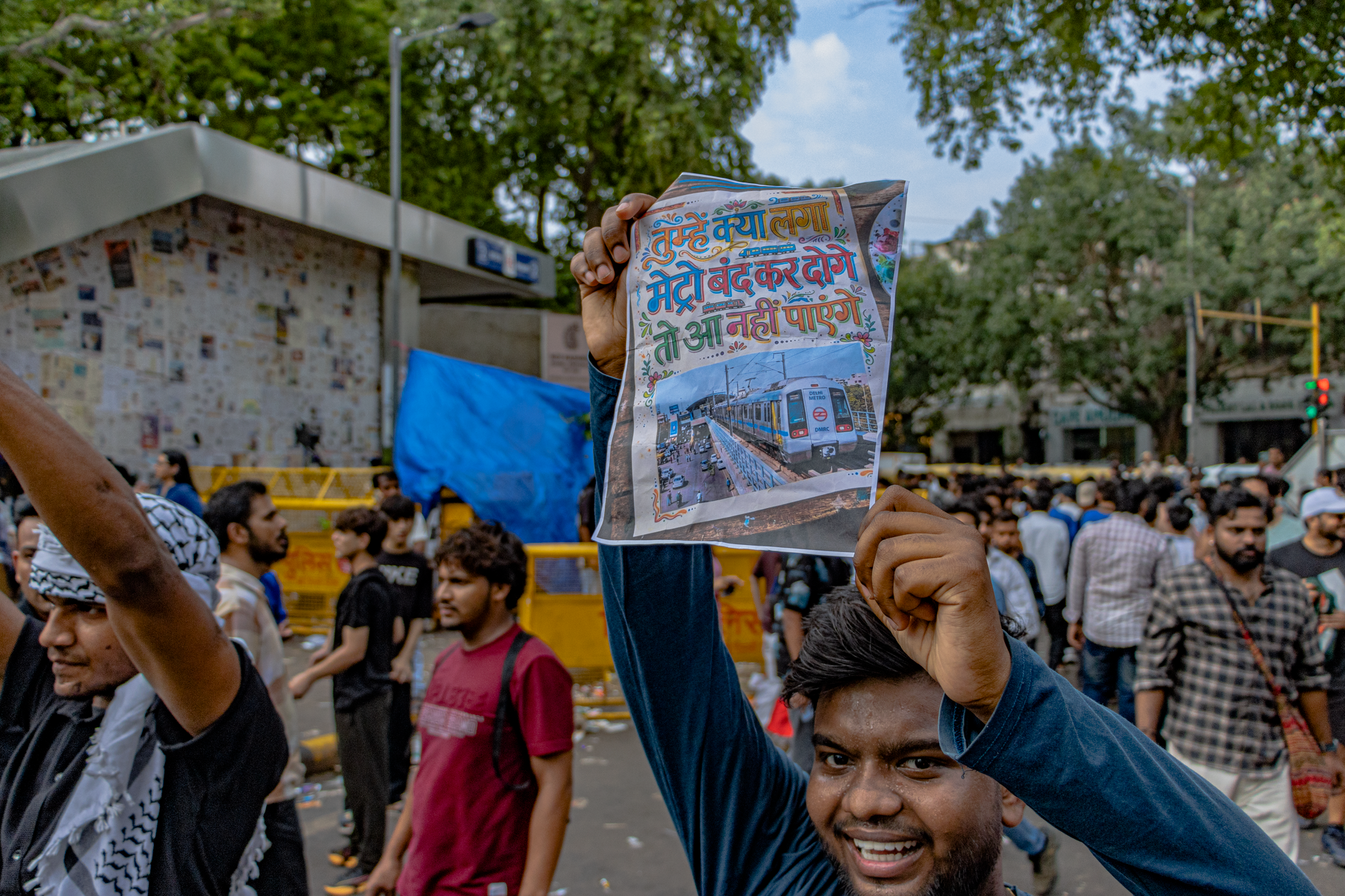
The resignation of the education minister following weeks of protests led by student groups and political parties signals a rare moment of accountability. The Cockroach Janta party, among others, mobilised thousands of students across the country, demanding transparency, fairness, and mental health support for exam candidates.
While the minister’s departure is a symbolic victory, families like those of Anshika, Shaheen, Pradeep, and Anitha remain wary. They call for thorough investigations into exam leaks and systemic reforms that go beyond personnel changes. Many advocate for decentralised examinations, affordable coaching, and comprehensive mental health services in schools and colleges.
Addressing the Root Causes to Prevent Future Losses
India’s education crisis is not merely about exam security or administrative lapses; it reflects deeper societal pressures and inequalities. The cultural emphasis on academic success as the sole path to upward mobility, combined with inadequate mental health infrastructure, creates a perilous environment for young people.
Experts suggest that reforms must include:
- Robust mechanisms to prevent exam leaks and ensure timely, transparent conduct of tests.
- Greater support systems for students, including counselling and peer networks.
- Curriculum reforms that reduce rote learning and high-stakes testing.
- Policies that recognise regional educational diversity and reduce reliance on costly private coaching.
Without addressing these root causes, the tragic stories of students lost to suicide will continue to haunt India’s education system and society at large.
The families’ grief and activism now form a powerful call for change. Their children’s dreams, cut short by systemic failures, demand more than condolences—they require a fundamental rethinking of how education is administered and how young people are supported in their most vulnerable moments.
Recommended reading
For more context, see related Peack News coverage and explainers linked below.