
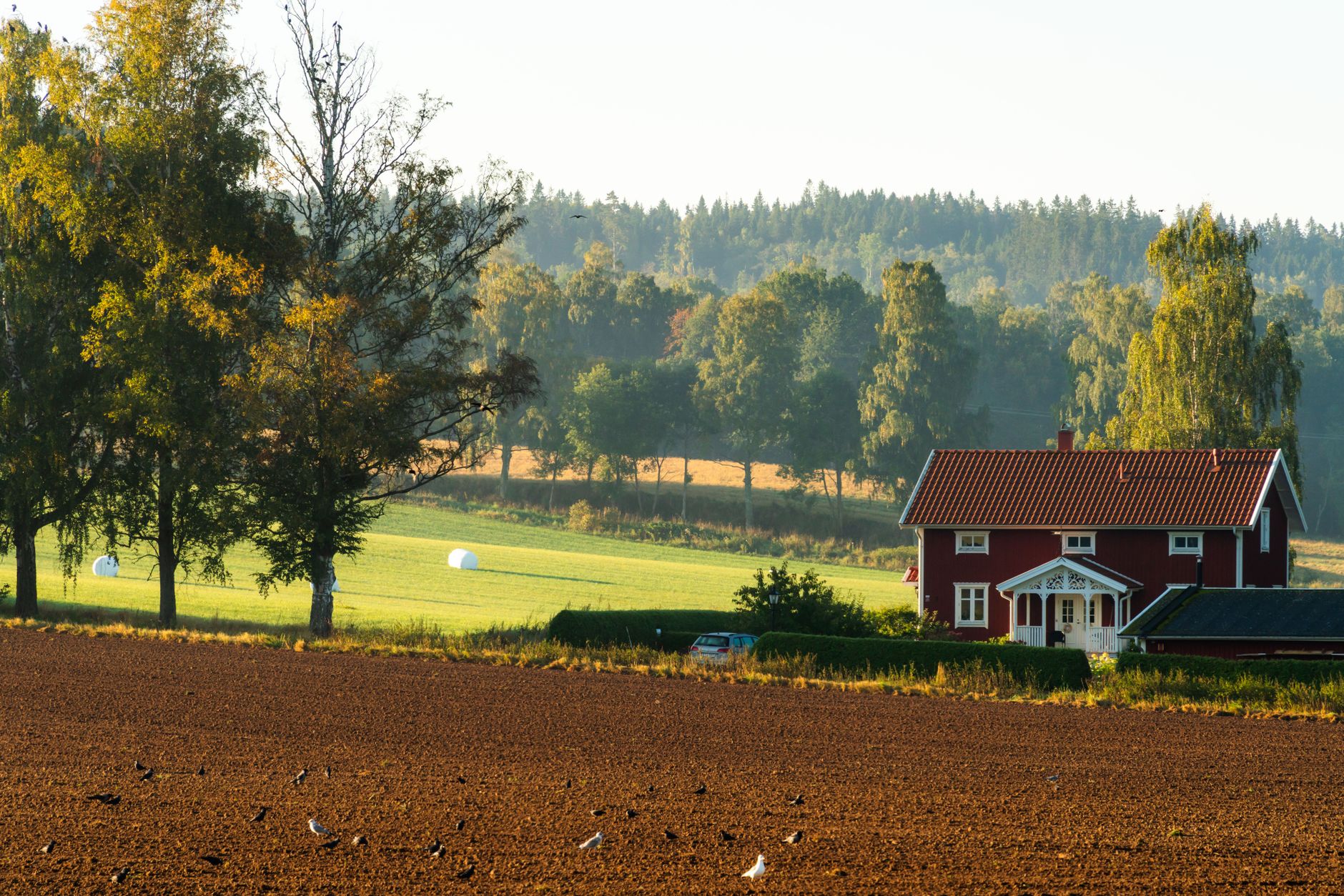
Rural households dependent on heating oil have voiced strong support for new measures aimed at protecting them from erratic price hikes and supply shortages, highlighting a growing divide between urban and rural energy security in the UK. The Competition and Markets Authority (CMA) has recommended reforms to align protections for heating oil users with those enjoyed by customers connected to the gas grid, a move that could reshape energy fairness for 1.5 million households.
Heating Oil Users Face Unprecedented Price Volatility
The recent conflict between the United States, Israel, and Iran has sent shockwaves through global energy markets, with heating oil prices in the UK soaring to nearly double their typical levels. For many rural residents, who rely exclusively on heating oil due to lack of gas infrastructure, this surge has translated into severe financial strain and uncertainty.
Jemma McCarron, living in Worcestershire, described the precarious balancing act her family has been forced to perform. Having filled their 2,000-litre tank just before the conflict, they narrowly avoided the worst of the price spike. However, the looming threat of future hikes has driven them to conserve fuel wherever possible, cutting back on hot water use during recent heatwaves and carefully budgeting to manage costs.
Her experience underscores a wider vulnerability among rural communities, who lack the flexibility of switching to alternative energy sources or suppliers quickly due to geographic and infrastructural constraints.
Supply Shortages Compound Financial Worries
Nick Weaver from Claverdon, Warwickshire, shared a troubling episode that illustrates the supply-side challenges heating oil customers face. After ordering 1,000 litres of oil before the conflict escalated, Weaver received only half the amount. When he sought the remainder, his supplier demanded an additional £1,000, effectively doubling the price for the missing fuel.
This incident, which Weaver described as a breach of contract, highlights the precarious position of consumers at the mercy of suppliers during times of crisis. Weaver’s proactive approach—contacting company directors and publicizing his experience—helped secure the originally agreed price, but many others may not have the resources or knowledge to challenge such practices.
CMA’s Call for Regulatory Overhaul and Consumer Protections
The CMA’s report points to “clear gaps” in the regulatory framework governing heating oil sales, particularly concerning pricing transparency, dispute resolution, and protections for vulnerable consumers. Unlike energy customers connected to the national grid, heating oil users currently face limited safeguards against price gouging or supply cancellations.
Among the CMA’s recommendations is the establishment of stronger consumer rights, including:
- Clearer rules on how prices are quoted and increased
- Improved processes for handling order cancellations
- Access to alternative dispute resolution mechanisms
- Compensation for those who paid inflated prices due to cancelled orders
So far, some suppliers have agreed to compensate affected customers, but the CMA is considering legal action against those who have refused, signaling a more assertive regulatory stance.
Government Response and the Push Towards Energy Transition
Chancellor Rachel Reeves acknowledged the competitive nature of the heating oil market but expressed concern over the lack of consumer protections. The government has pledged to review the CMA’s recommendations seriously, signaling potential legislative or regulatory reforms ahead.
Meanwhile, rural residents like McCarron see these protections as a necessary short-term fix but emphasize the need for a broader transition away from heating oil. She noted that while her family is exploring solar panels as an alternative, support for renewable energy adoption in rural settings remains limited.
This sentiment reflects a wider challenge in rural energy policy: balancing immediate consumer protections with long-term sustainability goals. Heating oil, while currently indispensable for many, is a fossil fuel with significant environmental drawbacks. Transitioning rural homes to renewable energy sources will require substantial investment, infrastructure upgrades, and tailored government incentives.
The Road Ahead for Rural Energy Security
The CMA’s report and the ensuing public debate have brought overdue attention to the plight of heating oil users, a demographic often overshadowed by urban energy concerns. As the UK grapples with energy affordability and climate targets, ensuring equitable protections for all consumers—regardless of location—will be crucial.
For rural households, the stakes are high. Without reliable, affordable heating, winter months pose serious health and safety risks. The emerging regulatory reforms offer hope, but they also underscore the urgency of accelerating rural energy transitions.
In the coming months, government action on the CMA’s recommendations will be closely watched by millions who depend on heating oil. Their experiences serve as a stark reminder that energy policy must be inclusive, addressing not only the market but the unique challenges faced by rural communities in an increasingly volatile global landscape.
Recommended reading
For more context, see related Peack News coverage and explainers linked below.
- Two US soldiers killed and one missing following Iranian attack in Jordan
- Russians increase cash use, adding pressure to slowing wartime economy
- Private jets arrive in Montana while locals struggle to afford trailer parks
- Explainer: Major Cybersecurity Threats in 2026
- Explainer: Global AI Companies Landscape