
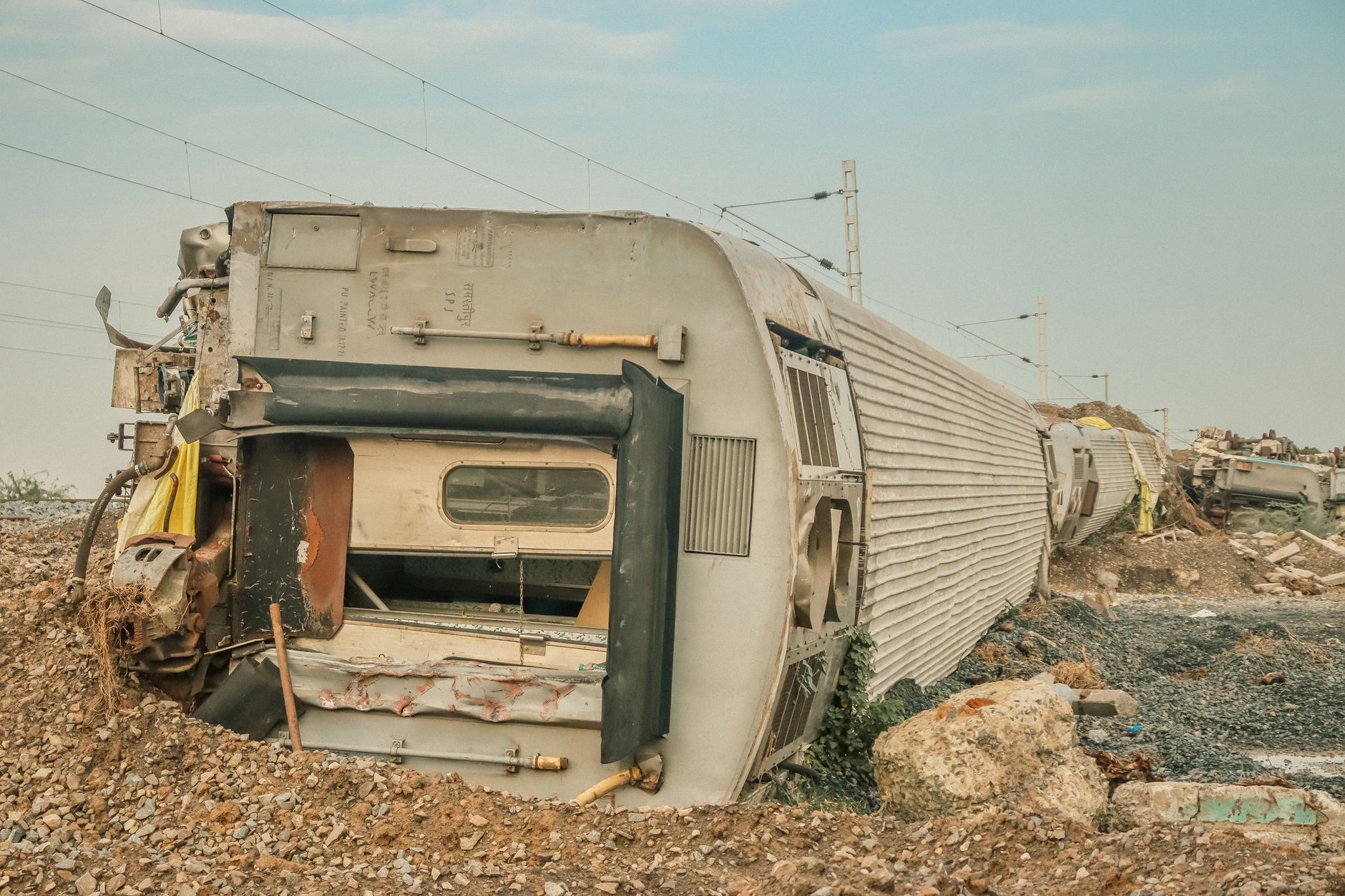
A devastating train collision near Giza, Egypt, has claimed at least seven lives and injured over 100 people, reigniting urgent concerns about the safety of the country’s aging railway system. The crash involved two southbound trains, one from Giza to Fayoum and another from Cairo to Aswan, resulting in multiple carriages derailing and tumbling down an embankment. As rescue teams scrambled to aid survivors, the tragedy has prompted calls for accountability and a reevaluation of Egypt’s rail infrastructure.
Details of the Collision and Immediate Aftermath
The collision occurred between Kafr Ammar and Al-Raqqa stations in the Al-Ayyat district, a location tragically familiar due to previous deadly rail incidents. According to Egypt’s railway authority, one train slammed into the rear of another that was stationary on the tracks. The force of the impact caused several carriages to overturn and derail, scattering debris and trapping passengers inside.
Emergency services responded swiftly, with hospitals in the region placed on high alert to manage the influx of casualties. Injuries ranged from broken bones to serious head trauma. The Egyptian Red Crescent provided critical psychological support alongside medical aid at the scene, underscoring the disaster’s emotional toll on survivors and families alike.
Among the fatalities was the driver of one of the trains, highlighting the human cost borne by railway staff as well as passengers. Authorities have cautioned that the death toll may rise as rescue efforts continue and more victims are accounted for.
Historical Context: A Pattern of Railway Tragedies
This latest accident adds to a grim history of rail disasters in Egypt, particularly in the Giza region. The site of the crash is alarmingly close to where Egypt suffered its deadliest rail tragedy in February 2002, when a fire engulfed a passenger train traveling from Cairo to Luxor, officially killing over 370 people. Other fatal accidents in 2009 also occurred nearby, collectively underscoring systemic issues within the country’s rail network.
These recurring incidents have exposed longstanding problems such as outdated infrastructure, insufficient maintenance, and operational lapses. Despite repeated calls for reform, progress has been slow, leaving millions of daily commuters at risk. The Al-Ayyat area, in particular, has become a symbol of the urgent need for comprehensive rail safety improvements.
Government Response and Public Outcry
President Abdul Fattah al-Sisi ordered an immediate investigation into the causes of the crash and pledged to hold responsible parties accountable. The public prosecutor’s office has also launched inquiries, signaling serious legal scrutiny. However, the government faces mounting pressure from citizens and opposition groups demanding tangible action beyond investigations.
On social media and in public forums, there have been vocal calls for the resignation of the transport minister, reflecting widespread frustration with the perceived negligence and failure to safeguard public transportation. The disaster has reignited debates about the allocation of resources and the prioritization of safety in Egypt’s infrastructure planning.
Regional and International Reactions
The tragedy has drawn condolences and solidarity messages from regional and international leaders. Saudi Arabia’s foreign ministry expressed support for Egypt and wished a swift recovery for the injured. Likewise, Turkey’s ambassador to Egypt extended heartfelt sympathies to victims and their families, emphasizing the shared human impact of such disasters.
These gestures highlight the broader regional concern regarding transportation safety and the importance of collaborative efforts to improve infrastructure resilience. Egypt’s rail network is a critical artery for commerce and daily life, and its stability has implications beyond national borders.
Looking Ahead: The Challenge of Modernizing Egypt’s Railways
The Giza train collision underscores the pressing challenge Egypt faces in modernizing one of the world’s busiest and oldest rail systems. With millions relying on trains for daily commutes and long-distance travel, the stakes are high. Experts argue that piecemeal fixes are insufficient; comprehensive reforms are needed, including upgrading tracks, enhancing signaling systems, improving staff training, and investing in emergency response capabilities.
International partnerships and funding could play a pivotal role in accelerating these improvements, but political will and transparent governance will be equally crucial. The latest tragedy might serve as a catalyst for change, but only if lessons are learned and decisive action follows.
For now, the focus remains on supporting victims and their families, investigating the causes, and preventing another catastrophe on Egypt’s rails.
Recommended reading
For more context, see related Peack News coverage and explainers linked below.