
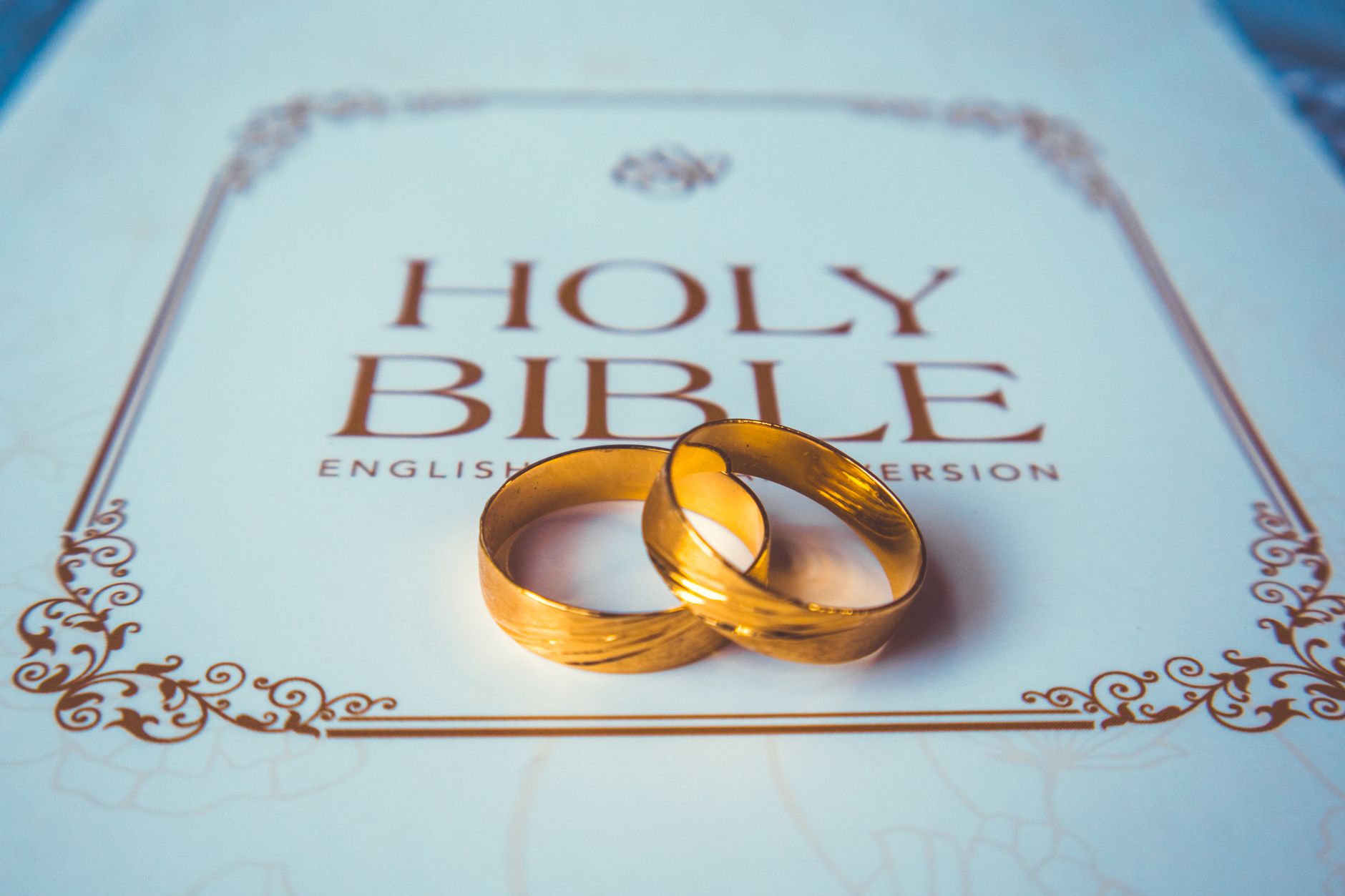
In a move that has ignited fierce debate over religious freedom and education, Texas has mandated Bible stories as required reading for all public school students, a decision set to take effect by 2030. This directive, approved by the Republican-controlled Texas State Board of Education, integrates passages from the Bible alongside classic literature in the curriculum for the state’s five million students. While supporters argue it restores foundational Judeo-Christian values, critics warn it threatens the constitutional separation of church and state and sidelines diverse perspectives.
Embedding Religion into Texas Public Education
The Texas State Board of Education’s decision marks a significant shift in the content public school students will encounter. The mandated readings include well-known biblical narratives such as the story of Adam and Eve and Moses’s encounter with God through the burning bush. Students will also study New Testament passages, including the Parable of the Prodigal Son, alongside secular classics like Charles Dickens’s Great Expectations and Shakespeare’s The Tragedy of Julius Caesar.
Proponents of the policy, including board member Brandon Hall, frame the move as a restoration of religious literacy that has been absent from classrooms for six decades. They emphasize the Bible’s role in shaping American history and values, asserting that understanding these stories is essential for grasping the country’s cultural and moral foundations.
Moreover, the curriculum includes speeches and writings from figures such as Dr. Martin Luther King Jr. and Margaret Thatcher, indicating an attempt to blend religious texts with a broader historical and literary context. Yet, the Bible’s prominent placement signals a clear prioritization of Christian narratives.
Concerns Over Religious Freedom and Educational Diversity
The decision has drawn sharp criticism from civil liberties organizations, educators, and activists who see it as an infringement on religious freedom and a breach of the constitutional principle separating church and state. The Texas Freedom Network, a progressive advocacy group, argues that the mandated readings promote Christianity at the expense of other faiths and cultural histories, particularly those of Black, Indigenous, and other minority communities.
Critics highlight that the curriculum’s focus on Judeo-Christian texts reflects a narrow, Western-centric worldview that neglects the religious and cultural diversity of Texas’s student population. This exclusion risks alienating students from non-Christian backgrounds and undermining efforts to foster inclusivity in education.
Teachers also express concerns about the mandate’s impact on classroom autonomy. The Texas Classroom Teachers Association warns that the extensive reading list could overwhelm educators, limiting their ability to tailor lessons to their students’ needs and interests. The mandated curriculum may constrain teachers’ professional judgment, forcing them to prioritize prescribed texts over more diverse or locally relevant materials.
Political and Legal Context of the Bible in Texas Schools
This policy is part of a broader conservative push to strengthen Christian influence in Texas’s public institutions. Last year, Texas became the largest state to require public schools to display the Ten Commandments, a move that faced legal challenges but was ultimately upheld by a federal appeals court. These developments reflect ongoing battles over the role of religion in public life, particularly in education.
Nationally, such measures resonate with conservative efforts to reassert religious values in American society. Former President Donald Trump praised the Texas decision as part of a wider resurgence of religion in the United States, framing it as a cultural victory for religious conservatives.
However, the controversy also underscores the deep divisions within American society regarding religion’s place in public education. While some see the Bible as a cultural cornerstone, others view its mandatory inclusion as a breach of secular principles designed to protect religious plurality and individual freedoms.
Implications for Texas Students and Beyond
The new reading requirements will shape the educational experiences of millions of Texas students, potentially influencing their understanding of history, culture, and religion. For some, exposure to biblical stories may enhance cultural literacy and provide moral lessons aligned with their faith traditions. For others, it may raise questions about the inclusivity and neutrality of public education.
As this policy rolls out over the coming years, its impact will be closely watched by educators, legal experts, and civil rights advocates nationwide. The Texas case could set a precedent for other states grappling with similar debates over religion and education, highlighting the ongoing tension between religious heritage and secular governance in American schools.
Recommended reading
For more context, see related Peack News coverage and explainers linked below.