
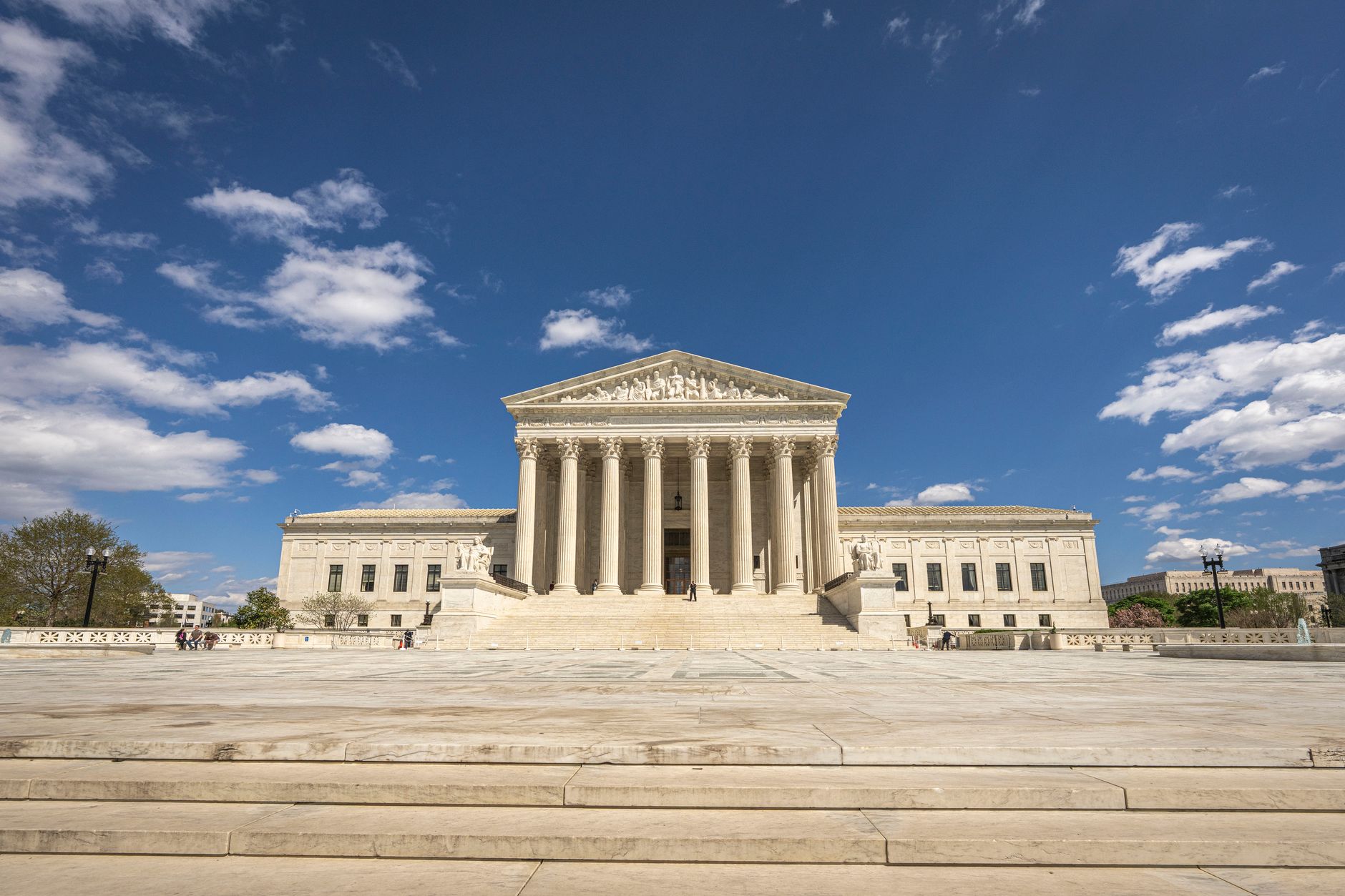
President Donald Trump has escalated a legal battle over his controversial $400 million White House ballroom project by petitioning the Supreme Court to allow construction to continue without congressional approval. This move challenges a recent appeals court ruling that halted the project, spotlighting tensions over executive authority, historic preservation, and the limits of congressional oversight.
Legal Clash Over Presidential Construction Powers
The dispute centers on whether the Trump administration can proceed with building an expansive ballroom and associated facilities at the White House without the green light from Congress. The project, which includes military-grade features such as bomb shelters and medical centers, was launched last year amid fierce opposition from preservation groups and lawmakers. The National Trust for Historic Preservation sued, arguing the administration bypassed mandatory legal reviews and public input required for such a significant alteration of a historic landmark.
Last week, a federal appeals court sided with the Trust, ordering a halt to construction until Congress explicitly approves the project. The court emphasized the importance of following established procedures designed to protect national heritage and ensure transparency. But the Trump administration, through Solicitor General D. John Sauer, labeled the injunction “dangerous,” warning that it sets a precedent for Congress to wield excessive control over the president’s ability to manage the White House.
Security and Symbolism: The Administration’s Defense
Trump and his legal team argue the ballroom is essential not just for hosting large events but for enhancing national security. According to the administration, the current White House facilities lack adequate space to accommodate official functions and provide secure environments for high-profile gatherings. The addition of bomb shelters and medical treatment centers underscores the project’s purported strategic value.
Furthermore, the administration insists that the ballroom is funded entirely through private corporate donations, not taxpayer dollars, which they claim exempts the project from congressional approval requirements. This financial angle has added fuel to the debate over the separation of powers, with critics questioning whether private funding can circumvent established government oversight mechanisms.
Historic Preservationists and Legal Experts Push Back
The National Trust for Historic Preservation has condemned the administration’s attempt to accelerate construction despite court rulings. They argue that the White House, as a symbol of American history and democracy, deserves rigorous review processes to protect its integrity. The Trust accuses the administration of “actively attempting to outrun the courts” and undermining the rule of law.
Legal experts note that this case raises fundamental questions about the balance between executive privilege and congressional authority, particularly in matters involving public heritage and national security. The administration’s insistence on bypassing traditional review processes could set a precedent for future unilateral executive actions, potentially weakening institutional checks and balances.
Broader Implications for Washington’s Urban Landscape
The White House ballroom project is part of a larger Trump-era initiative to reshape Washington’s cityscape, which includes renovations like the Lincoln Memorial Reflecting Pool and proposals such as the so-called “Arc de Trump,” inspired by Paris’s Arc de Triomphe. These projects have consistently sparked controversy due to allegations of sidestepping public input and legal requirements.
Critics argue that these efforts reflect a pattern of prioritizing personal legacy and political symbolism over established governance norms. Supporters, meanwhile, view them as necessary modernizations that enhance the capital’s stature and functionality.
As the Supreme Court prepares to weigh in, the outcome of this case will likely reverberate far beyond the ballroom’s walls. It could redefine the scope of presidential authority in managing the executive residence and set new standards for how historic preservation and national security intersect with political power.
Recommended reading
For more context, see related Peack News coverage and explainers linked below.