
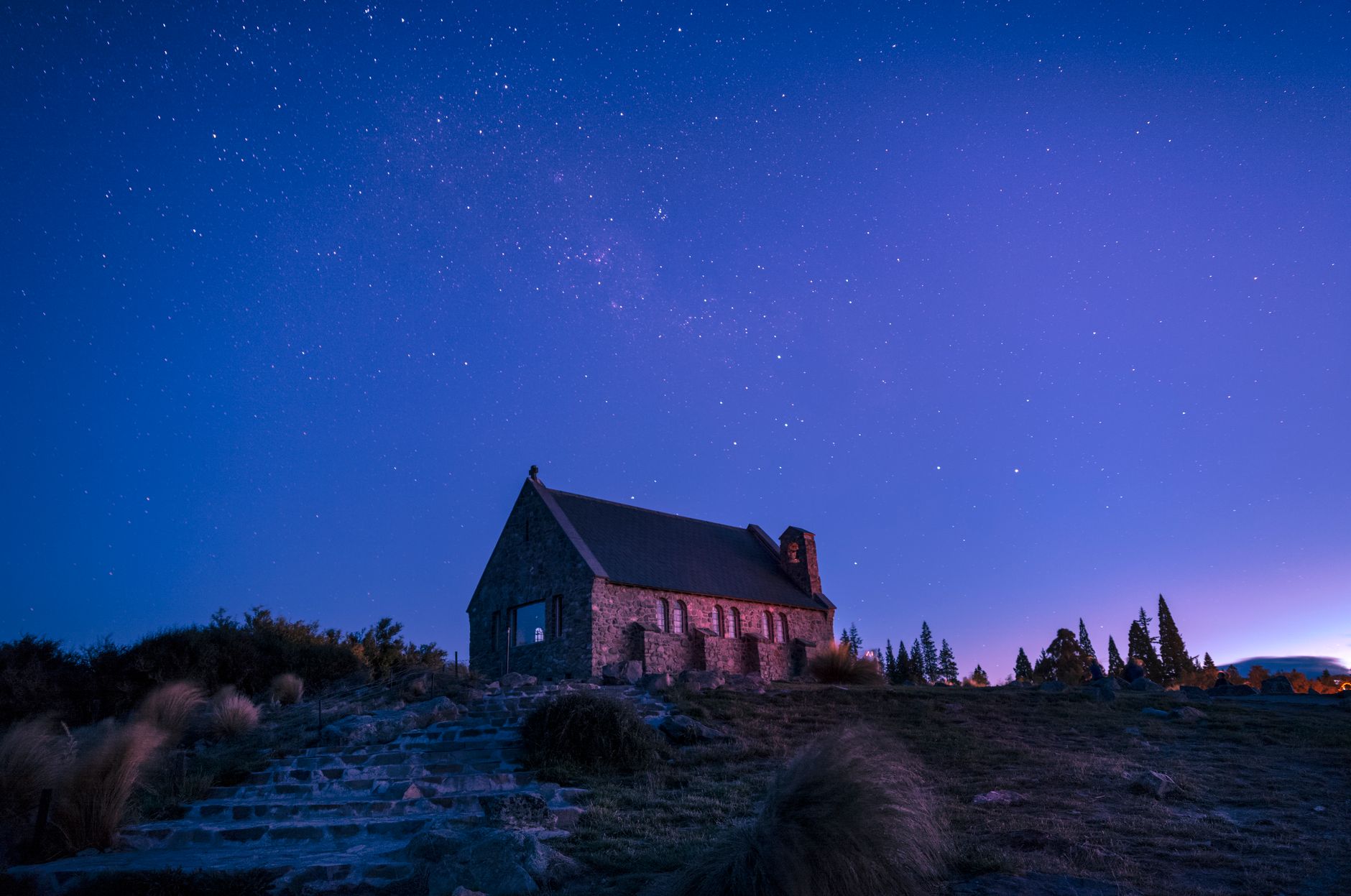
Keith Brymer Jones, the beloved judge from “The Great Pottery Throw Down,” is set to marry his partner Marj Hogarth in a unique and heartfelt setting—a Grade II-listed chapel they are lovingly restoring in Pwllheli, North Wales. The couple’s engagement, which happened on Welsh soil during a theatre tour, marks not just a personal milestone but also highlights a broader cultural revival through their restoration project of Capel Salem, a 163-year-old chapel.
From Stage Proposal to Chapel Wedding: A Personal and Cultural Journey
Jones, whose Welsh heritage runs deep through his family roots in Swansea and Cardiff, chose to propose to Hogarth during a performance at the New Theatre in Cardiff. This moment was more than a romantic gesture; it was a symbolic connection to his ancestry and the land that inspired his passion for ceramics. The couple’s decision to marry in the chapel’s main hall next May is a testament to their commitment not only to each other but also to the Welsh community they now call home.
Their wedding will be held in the very space they are transforming, blending personal celebration with the preservation of Welsh heritage. The chapel, once a place of worship, is being repurposed into a vibrant hub for art, community, and performance, reflecting a modern reimagining of historical spaces.
Reviving Welsh Heritage Through Architecture and Art
Capel Salem, perched on the scenic Llŷn Peninsula overlooking the dramatic landscapes of Eryri and Yr Wyddfa (Snowdon), is a sprawling 8,500-square-foot building that had fallen into disrepair before the couple’s intervention. Their vision extends beyond creating a home; they aim to breathe new life into the chapel by establishing a pottery studio and a community space within its walls.
Jones emphasizes the importance of repurposing derelict chapels across Wales, many of which have lost their original congregations but remain architectural gems. Their project is a model for how such buildings can be revitalized, preserving historical character while adapting to contemporary cultural uses. The ongoing renovations include a new roof for the main chapel and the conversion of the adjoining Sunday school into a fully equipped pottery studio.
Community Impact and Economic Revival on the Llŷn Peninsula
Beyond the personal and artistic ambitions, the couple’s project has significant implications for the local community. Pwllheli, a town with rich cultural traditions but facing economic challenges, has embraced the couple warmly. Jones and Hogarth plan to involve local apprentices in their pottery studio, fostering skills development and creating new opportunities for young people in the area.
This approach aligns with a growing movement across rural Wales to stimulate local economies through creative industries and heritage tourism. By turning Capel Salem into a multi-purpose exhibition and performance venue, the couple aims to attract visitors and artists alike, contributing to the cultural vibrancy and economic sustainability of the region.
Documenting a Dream: Bringing Welsh Heritage to National Screens
The transformation of Capel Salem and the couple’s life in Pwllheli are being chronicled in the Channel 4 series Our Welsh Chapel Dream. This documentary offers viewers an intimate look at the challenges and triumphs involved in restoring a historic building while building a life and career rooted in Welsh culture.
By sharing their journey on television, Jones and Hogarth are not only preserving a physical space but also raising awareness about the importance of heritage conservation and community engagement. Their story resonates with many who see value in reconnecting with local history and reimagining it for future generations.
Wales as a Source of Inspiration and Renewal
For Keith Brymer Jones, returning to Wales represents a homecoming both literal and symbolic. His upbringing, marked by childhood memories of exploring Welsh country lanes in search of pottery, laid the foundation for his career as a ceramicist. The move to Pwllheli feels like a reconnection with his roots and a chance to give back to the country that shaped him.
Marrying in their chapel home is a powerful affirmation of this bond. It encapsulates how personal history, cultural identity, and creative ambition can intertwine to create something meaningful—not just for the couple but for the wider Welsh community. Their story is a reminder of how heritage buildings can be catalysts for renewal, creativity, and connection in a rapidly changing world.
Recommended reading
For more context, see related Peack News coverage and explainers linked below.