
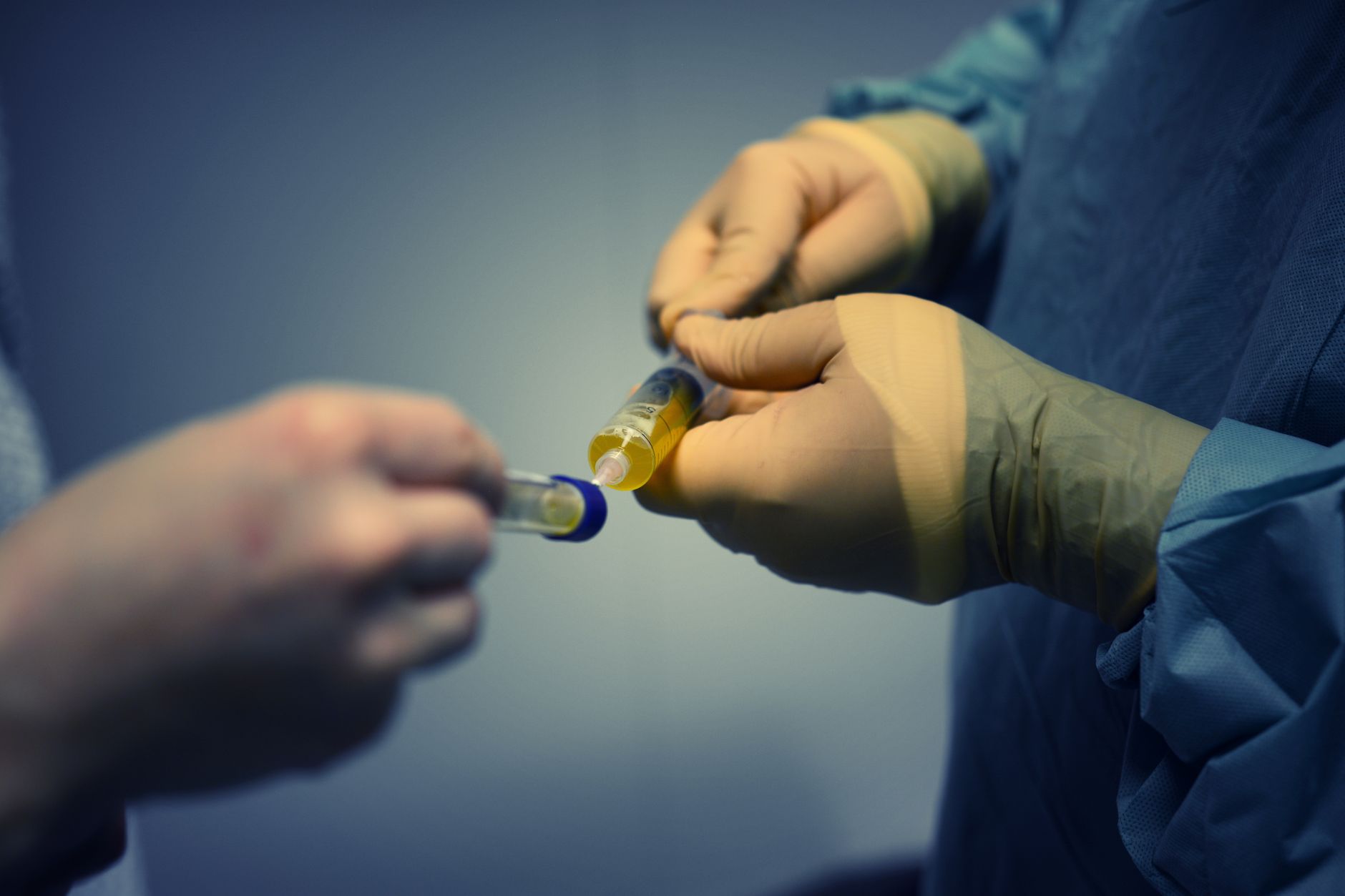
A new urine test trialled by the NHS has demonstrated an ability to detect over 90% of bladder cancer cases, potentially revolutionising how this common cancer is diagnosed. This breakthrough promises to reduce reliance on invasive procedures and shorten lengthy waiting times, offering a less distressing and more efficient pathway to diagnosis for thousands of patients each year.
Reimagining Bladder Cancer Diagnosis with a Simple Urine Test
Bladder cancer diagnosis traditionally depends on cystoscopy, an invasive procedure where a thin camera is inserted through the urethra to visually inspect the bladder. While effective, cystoscopies are uncomfortable, costly, and require specialist resources, contributing to long waiting lists across the UK. The new urine test, developed by the University of Birmingham in partnership with diagnostics firm Nonacus, offers a non-invasive alternative that patients can even perform at home.
The test works by detecting genetic material shed by cancer cells into the urine. Specifically, it screens for over 450 DNA mutations across 23 genes known to be associated with bladder cancer. In a recent NHS trial involving nearly 1,000 patients from seven hospitals in England and Scotland, the test identified 92% of bladder cancer cases. Moreover, a negative result indicated a greater than 99% probability that a patient did not have the disease.
These figures are promising because they suggest the test could serve as an effective screening tool to triage patients. Those with positive results could be fast-tracked for cystoscopy, while those testing negative might avoid unnecessary invasive procedures and the anxiety that comes with them.
Addressing the Burden on NHS Resources and Patients
Each year, over 300,000 cystoscopies are performed in the UK, placing a significant strain on healthcare services. Many patients face long delays before receiving a definitive diagnosis, which can adversely affect treatment outcomes. By integrating this urine test into diagnostic pathways, the NHS could alleviate pressure on endoscopy units and improve patient experience.
For patients, the benefits are substantial. Cystoscopies, while safe, are uncomfortable and can be distressing, especially for older adults who are at higher risk of bladder cancer. A simple, at-home urine test offers a painless and convenient alternative that may encourage earlier testing and diagnosis.
Early detection is critical in bladder cancer, as the prognosis depends heavily on the cancer’s stage and whether it has spread. The main symptom prompting investigation is blood in the urine, which can be caused by various conditions. A reliable urine test helps distinguish patients who truly need urgent follow-up from those less likely to have cancer, streamlining care delivery.
From Research to Real-World Impact: Next Steps
The journey from laboratory development to clinical application is often long and complex. This urine test was initially developed with funding from Cancer Research UK and has now been commercialised by Nonacus under a licensing agreement that supports ongoing research.
Experts caution that while the early results are encouraging, further large-scale trials are essential to validate the test’s effectiveness across diverse populations and clinical settings. The NHS aims to conduct these studies to confirm whether the test can be integrated into routine diagnostic protocols.
Cancer Research UK highlights the urgent need for faster, less invasive diagnostic tools to reduce delays and improve outcomes. If successful, this test could set a new standard in bladder cancer detection, potentially inspiring similar approaches for other cancers.
Implications Beyond Bladder Cancer
The success of this urine test could herald a broader shift towards molecular diagnostics in cancer care. By identifying specific genetic mutations in bodily fluids, clinicians may increasingly rely on non-invasive tests to screen, diagnose, and monitor cancers. This approach could lead to earlier interventions and personalized treatment strategies.
Moreover, public health campaigns could incorporate such tests to raise awareness and encourage early symptom reporting. For example, initiatives to place blood-in-urine warnings in public restrooms have been discussed to prompt timely medical consultation.
In sum, the NHS trial of this innovative urine test marks a significant stride toward more patient-friendly, efficient bladder cancer diagnosis. As research progresses, it holds the promise of transforming care pathways and ultimately saving lives through earlier detection.
Recommended reading
For more context, see related Peack News coverage and explainers linked below.