
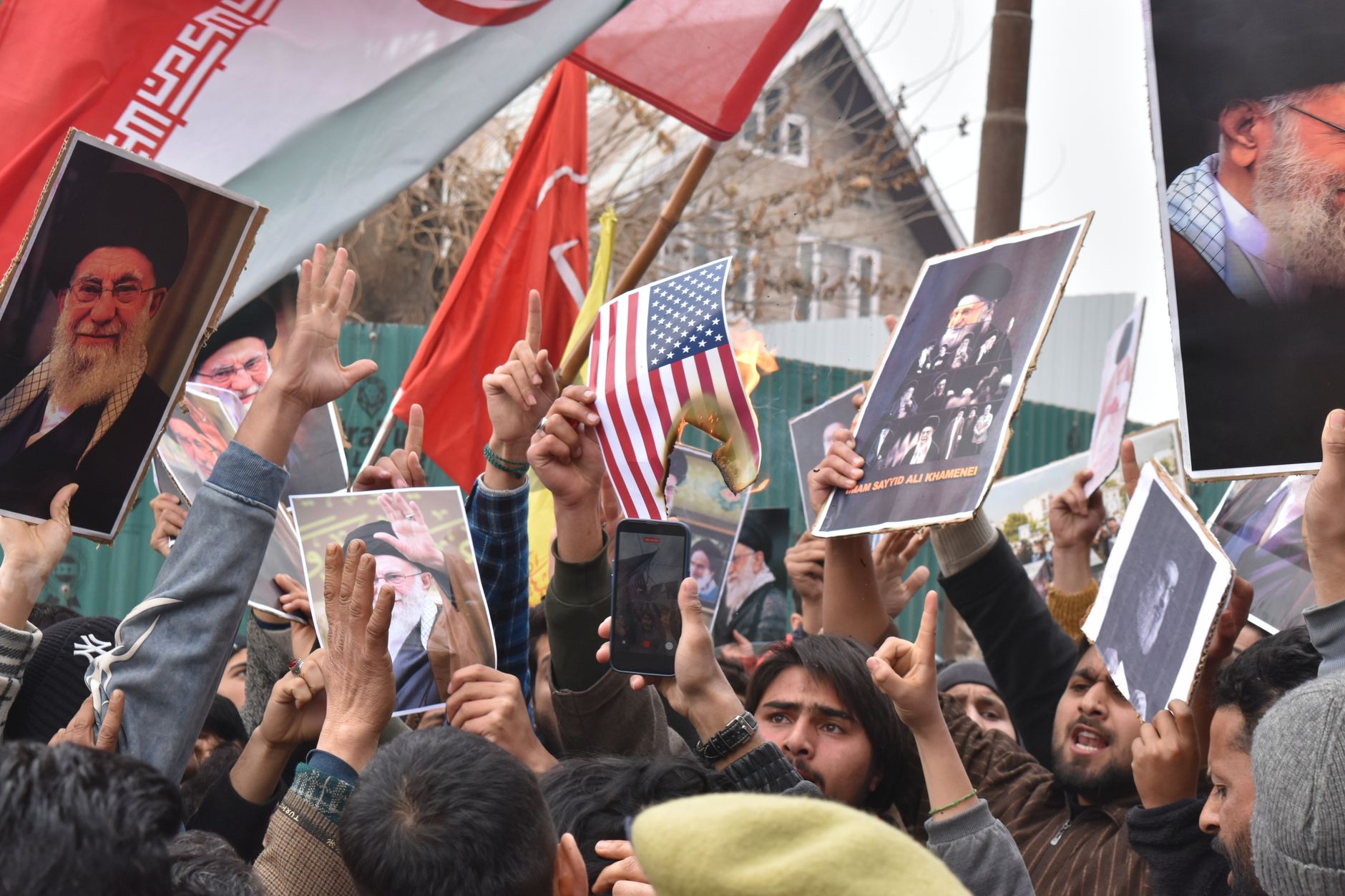
The ongoing conflict between the United States and Iran has escalated dramatically, underscored by a fierce exchange of military strikes coinciding with the burial of Iran’s late supreme leader, Ayatollah Ali Khamenei. This latest round of hostilities not only highlights the deepening tensions in the Persian Gulf but also threatens the fragile stability of a region critical to global energy supplies and international security.
Strikes Amidst a Historic Funeral
While thousands gathered in Mashhad to mourn Ayatollah Ali Khamenei, killed earlier this year during US and Israeli airstrikes, the US Central Command (Centcom) launched a series of offensive operations targeting approximately 90 Iranian military sites. These strikes were reportedly aimed at degrading Iran’s capacity to threaten commercial shipping, particularly in the Strait of Hormuz, a strategic chokepoint through which a significant portion of the world’s oil passes.
The timing of these attacks during Khamenei’s funeral was no coincidence. Iran’s leadership and population viewed the burial as a moment of national unity and resilience, yet the US strikes served as a stark reminder of the ongoing conflict. Iranian state media reported damage to key infrastructure, including military logistics hubs and air defense systems, as well as civilian casualties—14 dead and dozens injured across multiple provinces.
The Strait of Hormuz: A Flashpoint for Global Commerce
The exchange of attacks has had immediate repercussions on maritime activity. Shipping experts report a dramatic decline in vessel traffic through the Strait of Hormuz, with numbers falling from a pre-conflict average of 130 ships daily to fewer than 10 using the southern route near Oman. This drop not only disrupts oil and gas exports from the Gulf but also threatens the global energy market, raising concerns about supply shortages and price volatility.
Iran has asserted its control over the Strait, warning that it will only allow passage under its terms, rejecting American military threats. The repeated Iranian missile and drone strikes on US assets in Kuwait, Bahrain, Qatar, and even Jordan and Iraq signal Tehran’s intent to push back aggressively against American influence and military presence in the region.
Diplomatic Breakdown and Renewed Hostilities
The recent flare-up comes despite a memorandum of understanding signed just weeks ago between the US and Iran, which aimed to establish a ceasefire and reopen negotiations. However, President Donald Trump declared the ceasefire “over” following the latest attacks, dismissing further talks as futile and labeling Iranian leaders with harsh rhetoric. This hardline stance has effectively ended the brief period of diplomatic optimism.
Iran’s response has been equally defiant. Iranian officials have condemned US strikes as war crimes and vowed retaliation, framing their actions as defensive measures against what they describe as American aggression and bullying. The exchange of fire has turned into a tit-for-tat cycle, with neither side willing to de-escalate without significant concessions.
Regional Implications of the Escalation
The conflict’s ripple effects are being felt across the Gulf Cooperation Council (GCC) states, many of which have been caught in the crossfire. Explosions and missile interceptions in Bahrain and Kuwait, as well as heightened security alerts in Qatar, underscore the growing regional instability. These countries, often US allies, are now vulnerable to Iranian retaliatory strikes and proxy actions.
Moreover, the damage to infrastructure such as bridges and railways connecting Tehran to Mashhad complicates Iran’s internal logistics and economic recovery amidst sanctions and conflict. The targeting of nuclear-related sites near Bushehr also raises alarms about the potential for a broader confrontation involving Iran’s nuclear program, which has long been a flashpoint for international tensions.
What Lies Ahead for US-Iran Relations and the Gulf
The current trajectory suggests a protracted period of hostility with limited prospects for immediate peace. The breakdown of the ceasefire and collapse of negotiations leave the region vulnerable to further military incidents and economic disruption. Both Washington and Tehran appear locked in a strategic impasse, where neither side is willing to back down without perceived gains.
For global markets, the instability threatens to keep oil prices volatile and shipping routes precarious. For the people of Iran and the Gulf states, the conflict exacerbates insecurity and economic hardship. The international community faces the challenge of preventing further escalation while encouraging a return to dialogue—a task complicated by mutual distrust and entrenched animosities.
Ultimately, the exchange of attacks during Khamenei’s funeral symbolizes more than a military confrontation; it reflects a profound struggle over influence, sovereignty, and survival in one of the world’s most geopolitically sensitive regions.
Recommended reading
For more context, see related Peack News coverage and explainers linked below.