
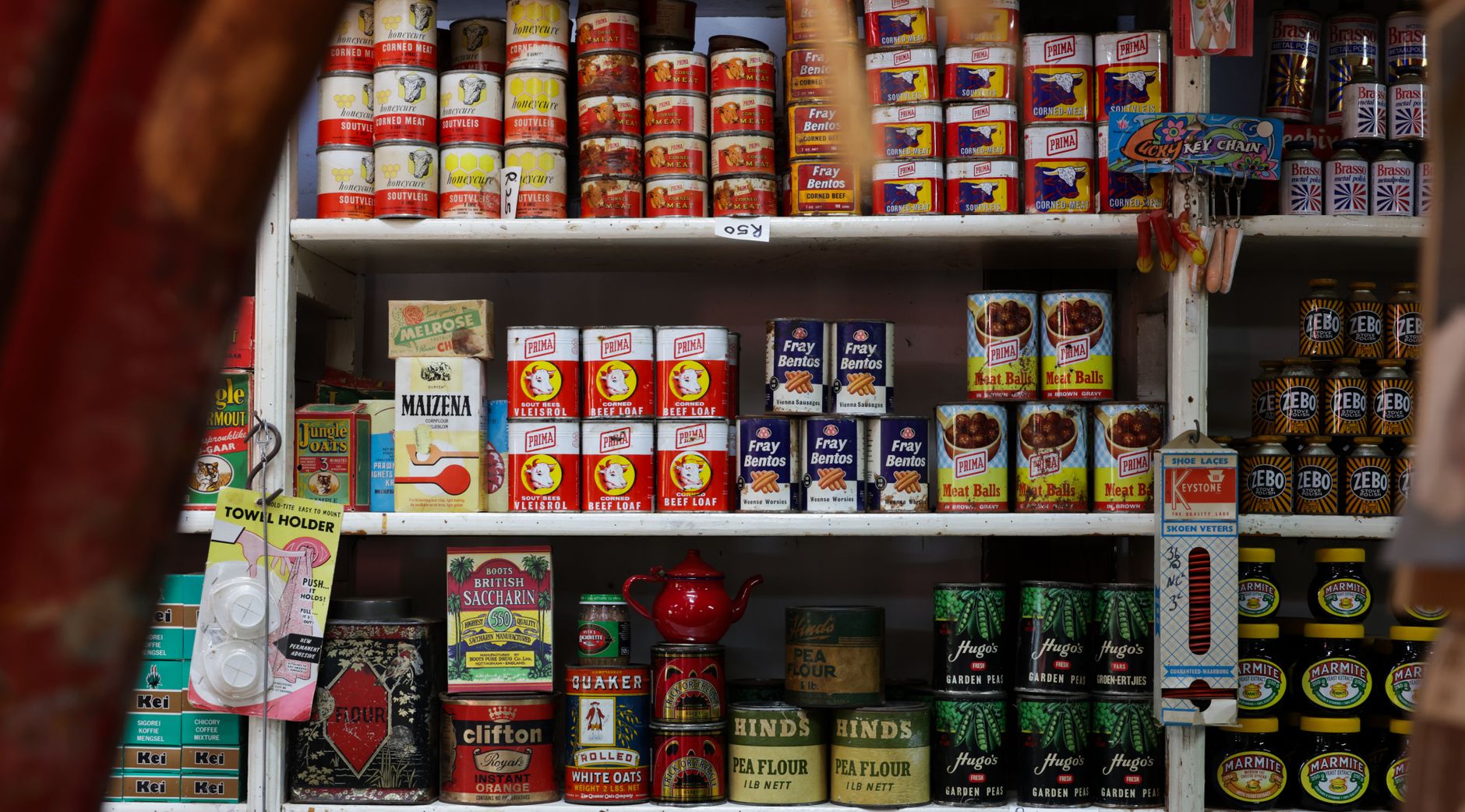
As extreme weather events become more frequent and unpredictable, the UK government is urging citizens to rethink their food shopping habits to prepare for potential disruptions. Recent warnings highlight the importance of stocking up on long-life, nutritious food items that can sustain households during emergencies such as severe storms, supply chain interruptions, or other crises. But what exactly should go into your emergency food cupboard, and how can you maintain a balanced diet when fresh produce is scarce?
Why Emergency Food Stockpiling Matters More Than Ever
Climate change is reshaping weather patterns globally, and the UK is no exception. Environment Secretary Dame Angela Eagle recently pointed to the El Niño phenomenon as a driver of increasingly extreme storms in the region. Such events can disrupt transportation routes, damage infrastructure, and lead to shortages on supermarket shelves. Beyond weather, risks like cyber-attacks on supply chains, disease outbreaks, and geopolitical conflicts add layers of vulnerability to food availability.
While experts caution against panic buying, they emphasize the value of preparedness. Supply chain specialist Prof Richard Wilding notes that although logistics professionals continuously adapt, consumers should be ready to switch to alternative products if their usual staples become scarce. This evolving landscape means households need to build resilience by thoughtfully curating their food reserves.
Building a Balanced Emergency Food Pantry
Nutritionists stress that emergency food stockpiles should not just be about calories but also about maintaining health and energy. Dr Sammie Gill, a senior nutrition scientist, recommends focusing on three key food groups:
- Complex carbohydrates: Items like wholegrain cereals, wheat biscuits, oats, rice, pasta, crackers, and breads provide sustained energy and fiber.
- Proteins: Canned legumes such as chickpeas, lentils, and kidney beans, along with unsalted nuts, peanut butter, and canned oily fish (tuna, mackerel, sardines) offer essential amino acids and healthy fats.
- Fluids and calcium sources: Long-life milk from non-refrigerated aisles supplies protein, calcium, and hydration.
Rebecca McManamon, a consultant dietitian, adds tinned fruit to the list, noting that its juice can contribute to fluid intake while providing vitamins and fiber—important when fresh fruit is unavailable.
Choosing the Right Canned and Packaged Foods
Not all tinned or packaged foods are created equal. Dr Gill advises consumers to be vigilant about salt and sugar content, which can undermine health during prolonged emergencies. Key tips include:
- Avoid canned items preserved in brine or syrup; opt for those packed in water instead.
- Steer clear of instant noodles and tinned soups due to their typically high salt levels.
- Limit breakfast cereals and snack bars that contain added sugars and lack substantial nutrients.
- Prefer canned fish over processed meats like sausages or corned beef, which tend to be high in saturated fat and salt.
- Restrict sweet treats such as biscuits and chocolates, which offer little nutritional value beyond sugar.
These guidelines help ensure that emergency food reserves support health rather than contribute to nutritional deficiencies or exacerbate chronic conditions.
Enhancing Taste and Variety in Emergency Rations
One common concern about relying on canned and long-life foods is that they can be bland or monotonous. McManamon suggests stocking up on nuts as a sweet, nutrient-dense snack alternative, though she notes their shelf life may be shorter than canned goods.
Additionally, keeping dried herbs, spices, and salt on hand can dramatically improve the flavor of meals made from basic ingredients. Peanut butter and pickled vegetables are also recommended for adding variety and taste complexity.
Hydration and Nutritional Considerations
Maintaining adequate fluid intake is crucial during emergencies. McManamon recommends aiming for 1,500 to 2,500 milliliters of fluid daily, which can come from bottled water as well as fluid-rich canned foods like tinned fruits and soups if water supplies are limited.
Concerns about the nutritional quality of canned foods compared to fresh ones are common but often overstated. Dr Gill explains that while some water-soluble vitamins like B and C may degrade during canning, macronutrients and fat-soluble vitamins remain largely intact. Therefore, canned foods can be a valuable and practical source of nutrition when fresh options are unavailable.
Preparing for an Uncertain Food Future
As the UK braces for more frequent extreme weather events and other disruptions, the government’s advice to stock up on long-life food is a prudent reminder of the need for household resilience. Thoughtful selection of emergency foods—balancing nutrition, taste, and shelf life—can help families weather short-term crises without compromising health.
While it’s impossible to predict exactly what emergencies may arise, having a well-planned food reserve is a practical step everyone can take to safeguard their well-being amid growing uncertainties.
Recommended reading
For more context, see related Peack News coverage and explainers linked below.