
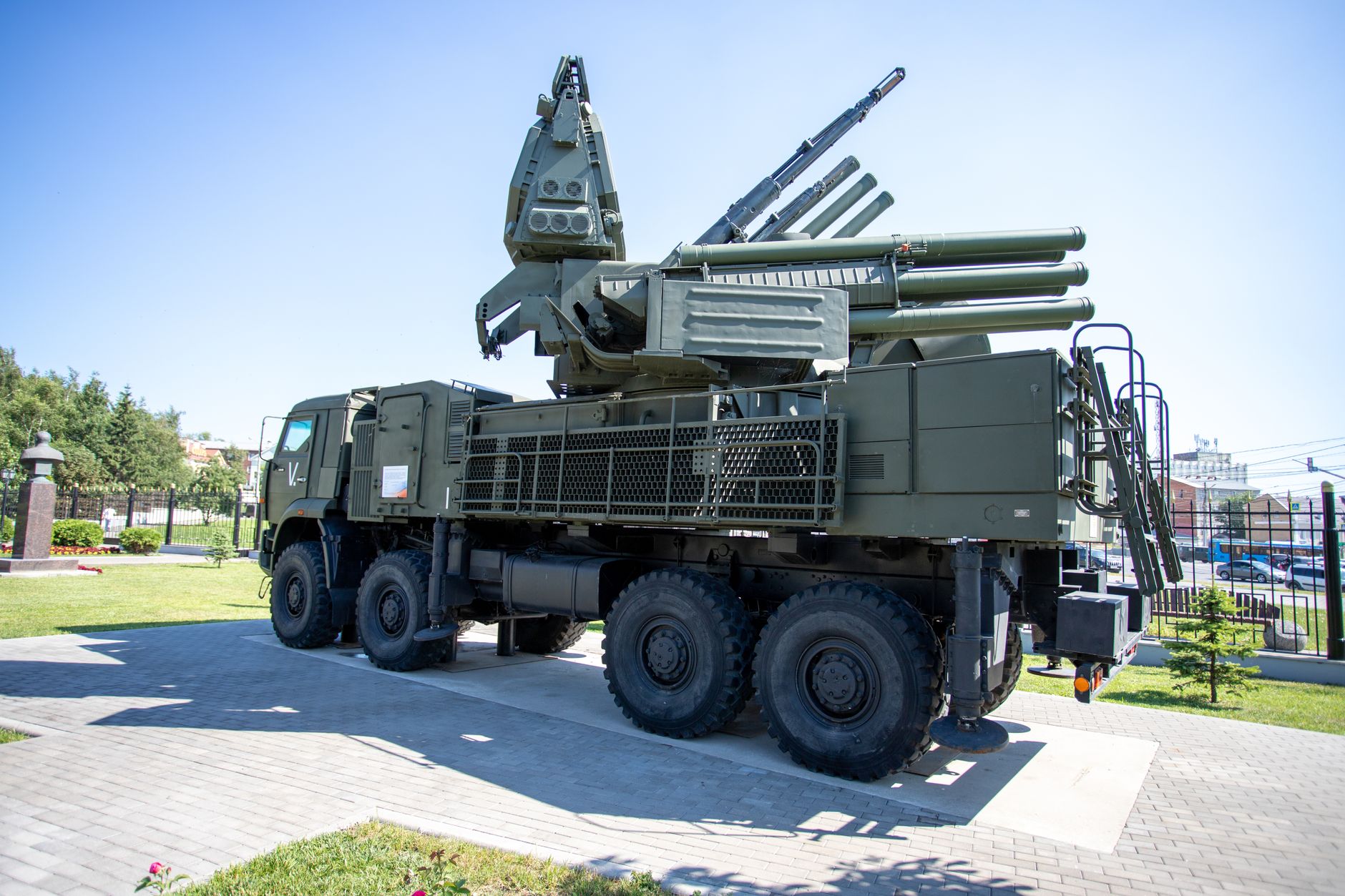
The United States conducted its first known military strike on Iranian soil in several weeks, targeting rocket launchers on Larak Island in the strategically vital Strait of Hormuz. This operation marks a significant escalation in the ongoing shadow conflict between Washington and Tehran, which has seen intermittent attacks and counterattacks since early 2023. The strike not only underscores the fragile security situation in the Persian Gulf but also raises the stakes for regional stability and global energy markets.
Details of the Strike and Immediate Iranian Response
According to a U.S. Central Command spokesman, the strike targeted two Iranian launchers on Larak Island after American forces observed the Islamic Revolutionary Guard Corps (IRGC) preparing to launch rockets equipped with sea mines into the Strait of Hormuz. The U.S. action was described as a preemptive measure to prevent potential disruptions to one of the world’s most crucial maritime chokepoints.
Iranian state media and IRGC officials reported casualties resulting from the strike, including the deaths of two civilians and injuries to others. The IRGC denounced the attack as a “strategic and fatal mistake” by the Trump administration and vowed retaliation. Indeed, within hours, the IRGC claimed responsibility for launching ballistic missiles against U.S. military bases in Jordan, specifically at King Hussein and al-Azraq airbases. Jordan’s military confirmed intercepting eight incoming missiles, preventing significant damage.
Larak Island’s Strategic Importance in the Strait of Hormuz
Larak Island sits just off the coast of Bandar Abbas, Iran’s key southern port, and directly on the Strait of Hormuz—a narrow waterway through which approximately 20% of the world’s oil and liquefied natural gas passes. Control over this passage has long been a strategic priority for Iran, which has used its proximity to exert influence and pressure on global energy supplies.
Reports indicate Iran has been enforcing strict inspections on tanker traffic near Larak, demanding exorbitant fees—up to $2 million—to allow vessels to pass. This aggressive posture has raised alarms among international shipping companies and governments reliant on uninterrupted energy exports. The U.S. strike appears aimed at disrupting Iranian efforts to militarize this vital corridor and deter the deployment of sea mines that could block maritime traffic.
Escalation Amid Renewed Economic Sanctions and Regional Tensions
The strike comes amid a backdrop of escalating U.S. economic sanctions on Iran, announced in late August, targeting Tehran’s financial networks and allies to further isolate the regime. Iranian officials have dismissed these sanctions as ineffective, framing them as part of a continued campaign following Washington’s failure to curb Iran’s regional ambitions militarily.
Since February, the conflict has intensified with reciprocal strikes between Iran, the U.S., and Israel, including attacks on bases and infrastructure across the Gulf. The Strait of Hormuz has become a flashpoint, with Iran previously deploying mines and threatening to close the waterway in retaliation for Western pressure. President Trump claimed all mines had been cleared, a statement Iranian officials labeled as propaganda.
Potential Regional and Global Implications
The recent U.S. strike and Iran’s swift missile retaliation underscore the precarious balance of power in the Middle East, where miscalculations could trigger wider conflict. The Strait of Hormuz remains a critical artery for global energy supplies, and any disruption could cause spikes in oil prices, impacting economies worldwide.
Moreover, the involvement of Jordan—a key U.S. ally—in this exchange highlights the risk of the conflict spreading beyond the Gulf. Jordan’s effective missile defense response prevented casualties but also signals the region’s heightened vulnerability to escalation.
Diplomatic efforts to de-escalate tensions appear limited as both sides adopt hardened stances. The U.S. aims to contain Iran’s military capabilities in the Gulf, while Iran seeks to assert its influence and retaliate against perceived aggression. This cycle of action and response risks entrenching hostility and complicating prospects for negotiation.
Looking Ahead: What This Means for the Iran-U.S. Confrontation
The strike on Larak Island marks a notable shift in U.S. military engagement with Iran, breaking a weeks-long lull and signaling Washington’s willingness to use force to counter Iranian threats in the Strait of Hormuz. It also illustrates the challenges the U.S. faces in balancing deterrence with the risk of wider conflict.
Iran’s retaliatory missile strikes demonstrate Tehran’s readiness to respond militarily and maintain pressure on U.S. interests and allies in the region. As the conflict enters its seventh month, the potential for further escalation remains high, with global energy security hanging in the balance.
For international observers, the situation calls for renewed diplomatic focus to prevent the confrontation from spiraling out of control. The Strait of Hormuz’s security is not only a regional concern but a matter of global economic stability, requiring careful management amid competing geopolitical interests.
Recommended reading
For more context, see related Peack News coverage and explainers linked below.