
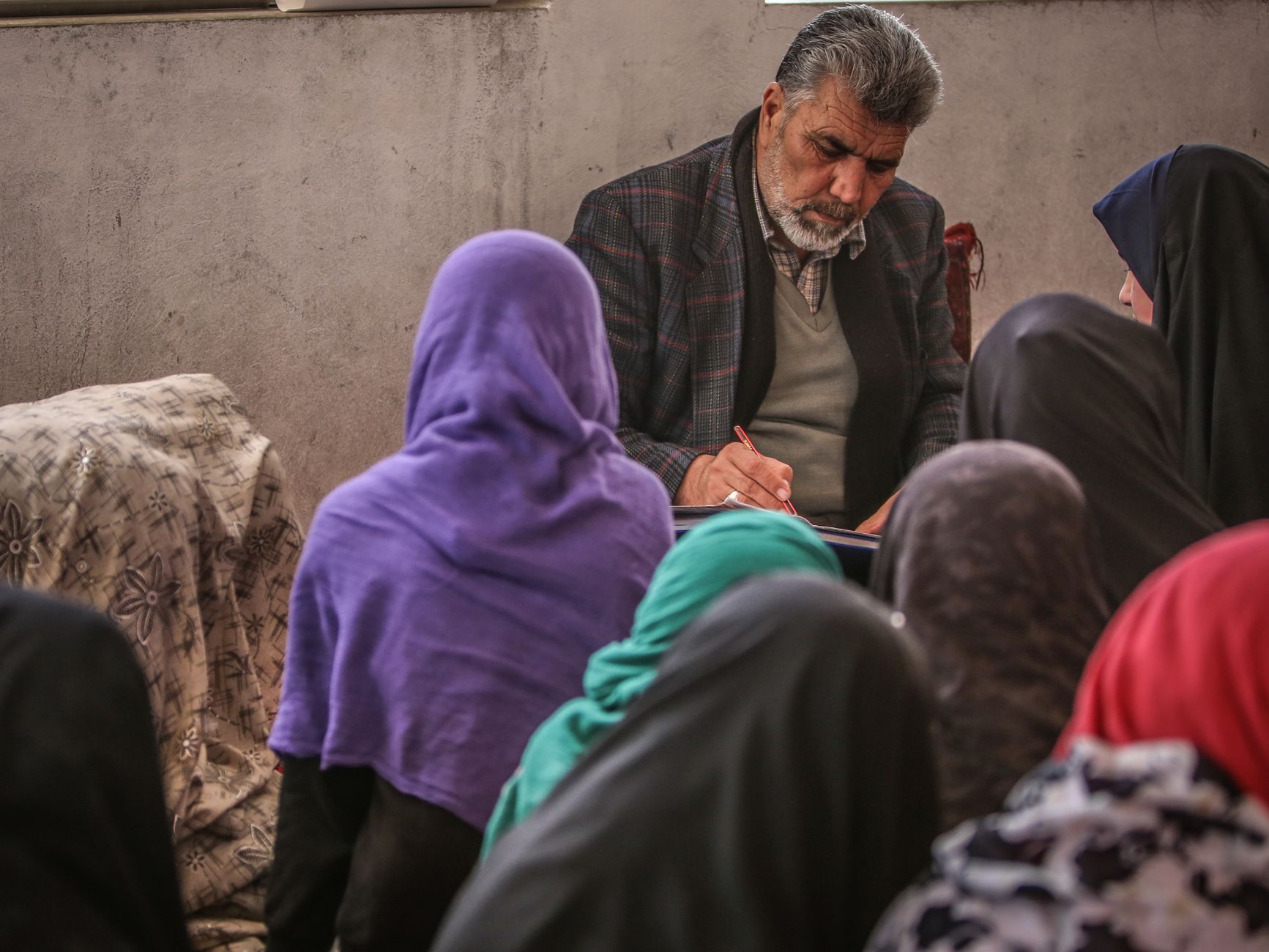
Five years after the Taliban’s return to power in Afghanistan, the lives of millions of Afghan women have been transformed in ways that many describe as devastating and deeply restrictive. From public floggings to the denial of education and employment, the regime’s hardline policies have systematically dismantled the freedoms women had begun to enjoy during the previous two decades. The human cost is profound, touching every aspect of daily life and threatening the future of an entire generation.
Education Denied: A Generation Locked Out of Learning
Afghanistan remains the only country in the world where girls are officially barred from secondary and higher education. This ban, imposed shortly after the Taliban regained control in 2021, has uprooted the dreams of millions. Girls over the age of 12 are prevented from attending school, forcing many to resort to underground or online learning, which remains inaccessible for most. One young woman, Shakiba, described the Taliban’s takeover as the day her dreams were stolen. Despite managing to complete secondary school online, her ambition to become a pilot now feels out of reach.
The Taliban’s foreign minister has sought to downplay the severity of these restrictions, claiming that millions of girls attend religious schools and madrassas. However, these institutions focus predominantly on Islamic teachings rather than the broad education necessary for professional careers. The lack of access to comprehensive education not only curtails personal aspirations but also undermines Afghanistan’s long-term development prospects.
Employment and Economic Exclusion
Employment opportunities for women have also dwindled dramatically. According to United Nations data, only about 7% of Afghan women remain employed, a sharp decline from before the Taliban’s return. Many professional fields are now off-limits, and women working in media, education, and government have been systematically pushed out. Zuhal, a former news anchor, shared how losing her job stripped away a vital part of her identity and left her confined to her home.
Despite official claims by the Taliban that female entrepreneurship has increased, the reality on the ground suggests otherwise. While the regime cites figures showing a rise in women in business, many women entrepreneurs face severe restrictions and societal backlash. The economic marginalization of women exacerbates poverty and limits their ability to support themselves and their families, pushing many into deeper hardship.
Public Punishments and Fear as Tools of Control
Since 2021, the Taliban have reintroduced brutal corporal punishments, including public floggings, as a means of enforcing their strict interpretation of Islamic law. Hundreds of people, predominantly women, have been publicly whipped for alleged moral transgressions. Shaima’s experience of being flogged 50 times left her physically scarred and emotionally traumatized, a pain compounded by the fear it instills in her children.
These punishments serve not only as punishment but also as a powerful tool of intimidation, silencing dissent and reinforcing a climate of fear. Women who defy the Taliban’s restrictions risk arrest, imprisonment, or worse. Manizha’s story of being jailed after a public flogging illustrates the harsh consequences faced by those who attempt to live freely or challenge the regime’s rules.
Healthcare Barriers and Life-Threatening Consequences
Restrictions on women’s access to healthcare have had deadly consequences. Afghanistan has one of the highest maternal mortality rates in the world, a situation worsened by the Taliban’s prohibition on women being treated by male doctors and the severe shortage of female medical professionals. Midwife Marzia recounted the heartbreaking death of a mother of six, a tragedy that underscores the life-or-death stakes of these policies.
Pregnant women like Maryam fear for their daughters’ futures, worrying about access to education, healthcare, and basic rights. The healthcare crisis reflects the broader humanitarian catastrophe unfolding under Taliban rule, where women’s health and well-being are dangerously compromised.
Resilience and Resistance Amid Repression
Despite these overwhelming challenges, many Afghan women refuse to surrender hope. Noori, a young woman who had to abandon her law studies, has channeled her energy into creating employment opportunities for other women. Her determination to empower others highlights a quiet but powerful form of resistance.
Similarly, 13-year-old Asma dreams of becoming a doctor and believes change will come. Their stories reveal a steadfast spirit that persists even in the darkest times. Yet, they also call on the international community not to forget Afghan women, urging continued support for their rights to education, work, and freedom.
The Taliban’s rule has not only reversed decades of progress for Afghan women but has also plunged the country into a deeper crisis of human rights and dignity. The world faces a critical choice: to amplify the voices of Afghan women and support their struggle or to stand by as their freedoms are erased. The resilience of these women is a testament to their courage, but without sustained global attention and action, their futures remain perilously uncertain.
Recommended reading
For more context, see related Peack News coverage and explainers linked below.