
How reading electrical meters helped rediscover writing joy
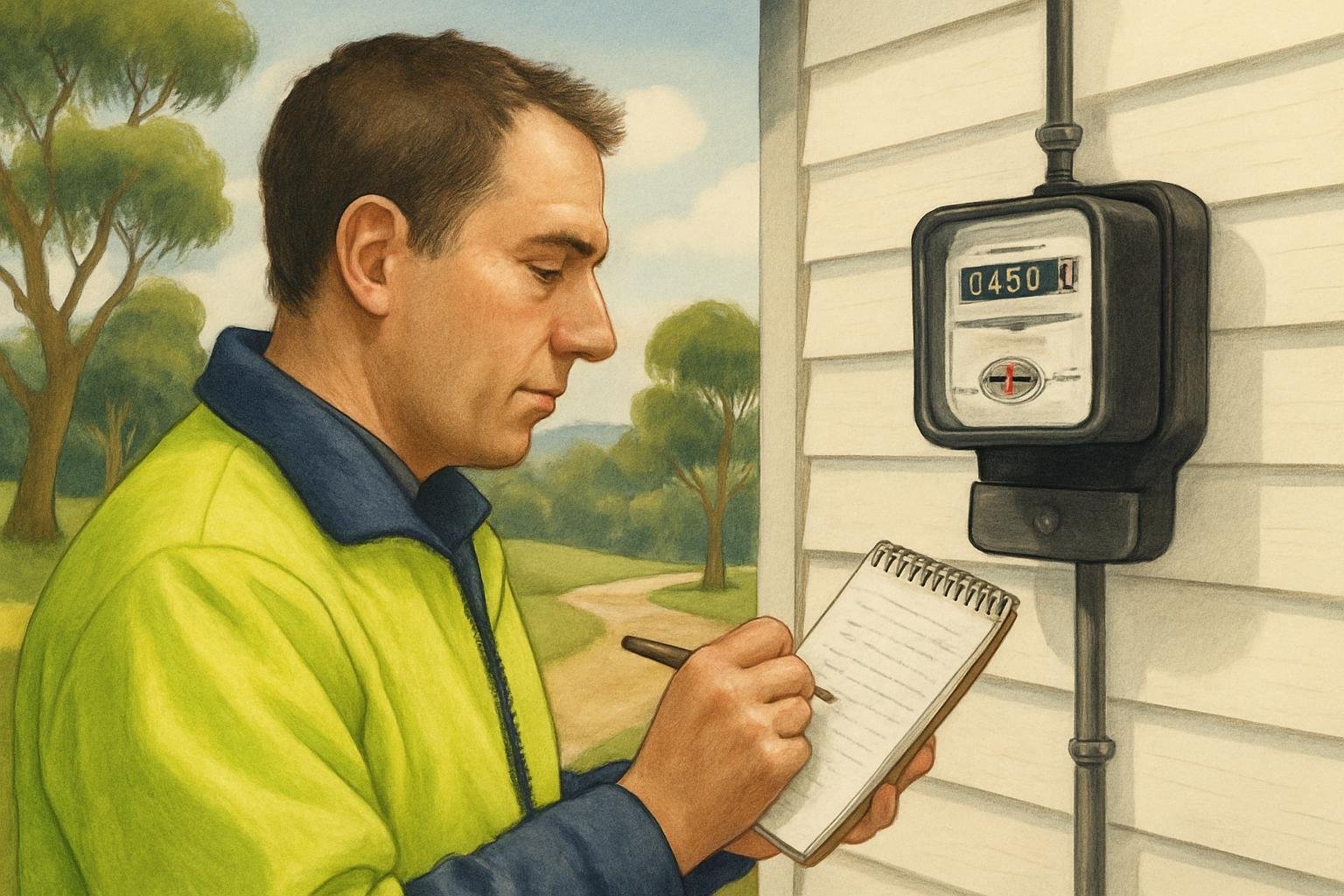
In 2011, after leaving Melbourne, Wayne Marshall took a job reading electrical meters in the Macedon Ranges of central Victoria. This experience of reading electrical meters for a year unexpectedly helped him reconnect with his creative side and rediscover the joy of writing.
From city to country: a new challenge
Wayne accepted the meter-reading job through an ex-bandmate who worked in administration at the company. The position was difficult to fill; the previous meter reader had lasted only a month. Having some prior experience walking meter-reading beats in Melbourne’s inner suburbs during his undergraduate years, Wayne was somewhat prepared. However, navigating the rural rounds in a worn-out ute with over 300,000 kilometers on the clock proved to be a very different challenge.
At the time, Wayne was recovering from a difficult period. He had spent four years trying to write a novel as part of a postgraduate degree, but the attempt had not worked out. He was in a state of mind where he wanted to distance himself from the literary world and sought freedom in movement and the outdoors. Driving the white Holden Rodeo in the shadow of Hanging Rock, he hoped to rid himself of the desire to write.
The realities of reading electrical meters in the country
On the surface, meter reading involved moving from property to property with a handheld device to record meter readings, which were then sent to electricity providers. However, the job came with unique obstacles, similar to challenges in a video game. The device displayed codes linked to specific addresses, such as “Aggressive Customer,” “Bees in Meter Box,” “Dog in Yard,” and “Savage Dog.” Some warnings were outdated, so Wayne had to enter properties cautiously to assess the situation.
During his rounds, Wayne encountered many dogs—some friendly, some not. On one occasion near Woodend, he found a bulldog sitting in the front passenger seat of his ute, ready for an adventure. After coaxing the dog out, he noticed it playing with his red beanie, which he had to carefully retrieve. Another time, while reading a meter between Carlsruhe and Kyneton, a horse suddenly charged toward him. Wayne quickly retreated across a lawn and over a gate just in time, only to be reassured by the owner that the horse was simply curious.
The ute itself was a source of challenges. Wayne got stuck in a ditch once and was rescued by a helpful passerby with a tractor. On another occasion near Trentham, after reading a meter in a spider-filled shed, the ute struggled to climb a soft, sloping track. In a moment of panic, Wayne drove at speed up a hill covered in tall grass to escape, then checked the vehicle for damage before continuing his journey.
Rekindling creativity through meter reading
Throughout the year, despite the physical and mental challenges, Wayne found himself gradually reconnecting with writing. He began pulling over between meter readings to jot down story ideas, often observed by birds in the roadside gums. He wrote outside public toilets and at deserted sports grounds, slowly working on short stories. He even started waking an hour earlier each morning to write before heading out on his rounds.
The Macedon Ranges provided a stunning and healing backdrop during this time of recovery. The year spent reading meters became a significant transitional period for Wayne, situated between his PhD attempt and major life events such as fatherhood and a bowel cancer diagnosis.
Most importantly, the experience confirmed what Wayne had long suspected: despite the many challenges, he was bound to a life of writing and creativity. His time reading electrical meters helped him rediscover the joy and necessity of his creative work.
Wayne Marshall is the author of Henry Goes Bush, available now from Pan Macmillan Australia.