
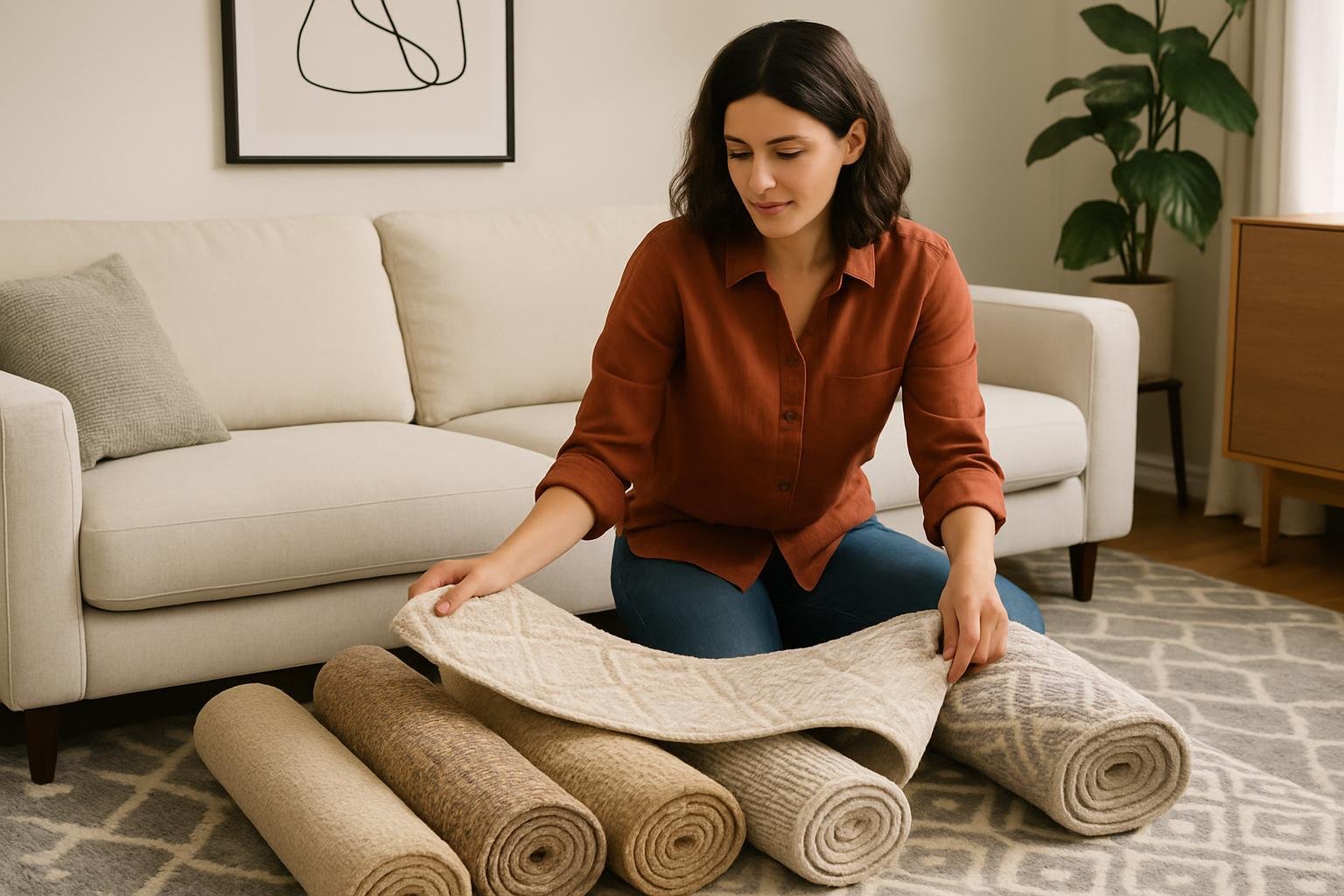
21 Expert Rug Recommendations and Tips on Selecting Pile, Size, and Material for Your Room
21 expert rug: A rug can transform a dull room by anchoring the space, adding warmth, and enhancing comfort. However, buying a high-quality rug is an investment that requires careful consideration of your space, lifestyle, and budget. Here are expert insights and recommendations to help you select the right rug for your home.
Understanding Pile and Its Impact
One of the key factors in choosing a rug is the pile, which refers to the length of the fibers. The pile affects both the look and maintenance of the rug. Tara McCauley, a New York-based interior designer, explains that higher pile rugs are softer but harder to vacuum and maintain, while lower pile rugs are easier to clean but less cushy underfoot.
- High pile but not too fluffy: The Arden Rug features a looped pile that is soft yet easier to clean, making it suitable for living rooms, bedrooms, and even kids’ playrooms.
- Medium pile: Revival Rugs’ Sprinkle is a polyester rug that is machine washable and backed with a flexible rubber matting, ideal for breakfast nooks, entryways, or rec rooms.
- Short and washable: The Tulip Brown Rug from Blockshop Textiles is a flatweave wool and cotton rug perfect for hallways or kitchens, providing warmth without bulk.
Rug Construction Types and Their Uses
The manufacturing process of a rug influences its durability, appearance, and price. Tara McCauley outlines three main types:
- Hand-knotted rugs: Made by tying individual knots, these rugs are labor-intensive, durable, and age well. They often feature wool, silk, or blends. An example is the Stickley Prairie Rug, which suits offices or guest rooms.
- Flatweaves: These have no pile and are lighter weight, usually less expensive and less formal. The Rugs USA Arrel Speckled Wool-Blend Rug is a flatweave with a slight pile, suitable for bedrooms or living rooms.
- Hand-tufted rugs: Created by punching yarn into a backing, these rugs are more affordable but less durable. The Quince Sullivan Rug is a wool hand-tufted option good for less-used rooms.
Choosing the Right Size for Your Room
Size is crucial when selecting a rug. Designers agree that in large spaces, bigger rugs are generally better. Cherisse Blizard, a New Jersey-based designer, advises ensuring that all front legs of furniture rest on the rug. In smaller rooms, a slightly smaller rug can help the space feel more open if chosen intentionally.
Visualization tools offered by retailers like Rugs USA and Revival Rugs can help buyers see how a rug will look in their room before purchasing. These tools allow uploading a photo of the space to preview rug placement and size.
- Small rug: The Anthropologie Greer Hand-Tufted Wool Blend Rug is ideal for bedside areas or reading nooks.
- Medium rug: Ikea’s Markblåmme is a low-pile polyester rug suitable for smaller common spaces.
- Large rug: Revival Rugs’ Carenia Vintage Turkish Runner Rug works well in hallways or long kitchens.
Material Recommendations and Maintenance
Material choice affects durability, comfort, and cleaning ease. Wool is widely recommended by experts for its natural qualities and resilience. Alvin Wayne, a New York-based interior designer, highlights wool’s ease of cleaning and durability, noting it can withstand spills and wear without damage.
Luxury wool rugs, such as those from Nordic Knots and Layered, differ in texture, color saturation, and thickness compared to lower-priced options. Sampling rugs before purchase is advised to ensure the right feel and look.
For added comfort and longevity, a quality rug pad is recommended. Rug Pad USA’s Eco-Plush ½ inch pad is suitable for thicker rugs, while thinner pads work better with flatweaves. Felt pads are preferred, with memory foam options available for extra cushioning.
For those allergic to wool or seeking alternatives, options include viscose, jute, sisal, and seagrass. Viscose mimics silk but is harder to clean and less durable. Natural fiber rugs like jute and sisal add texture but can feel scratchy, making them better suited for layering under smaller rugs.
Additional Considerations
Machine-washable rugs from brands like Ruggable and Tumbl are popular for high-traffic areas, but some designers recommend investing in higher-quality rugs that can be vacuumed regularly for better longevity.
Ultimately, selecting a rug involves balancing aesthetics, function, and maintenance needs. Understanding pile, size, construction, and material will help you find a rug that complements your space and lifestyle.